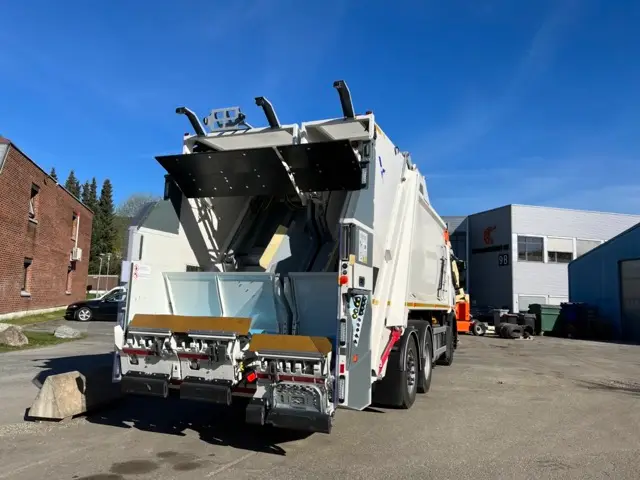
Refuse Collection Vehicles
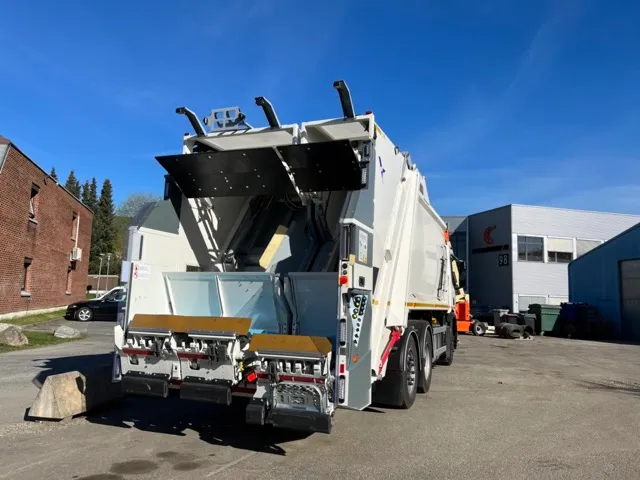
Refuse collection vehicles in all sizes. Rear loaders, crane trucks and satellite vehicles. Own models and tailored bodies.
Norwegian dealer for Terberg Environmental
Which refuse collection vehicle you need depends on the collection route — from compact Orus satellite vehicles for narrow city streets to Terberg rear loaders for demanding routes. Steco is the authorised Norwegian dealer for Terberg Environmental and an approved body builder workshop certified by the Norwegian Road Authority.
With our workshop in Drammen and decades of experience, we handle installation, service, maintenance and chassis transfers for the entire vehicle fleet.
What do you need?
Open an application area for more information and an overview of available models with images and brief descriptions.
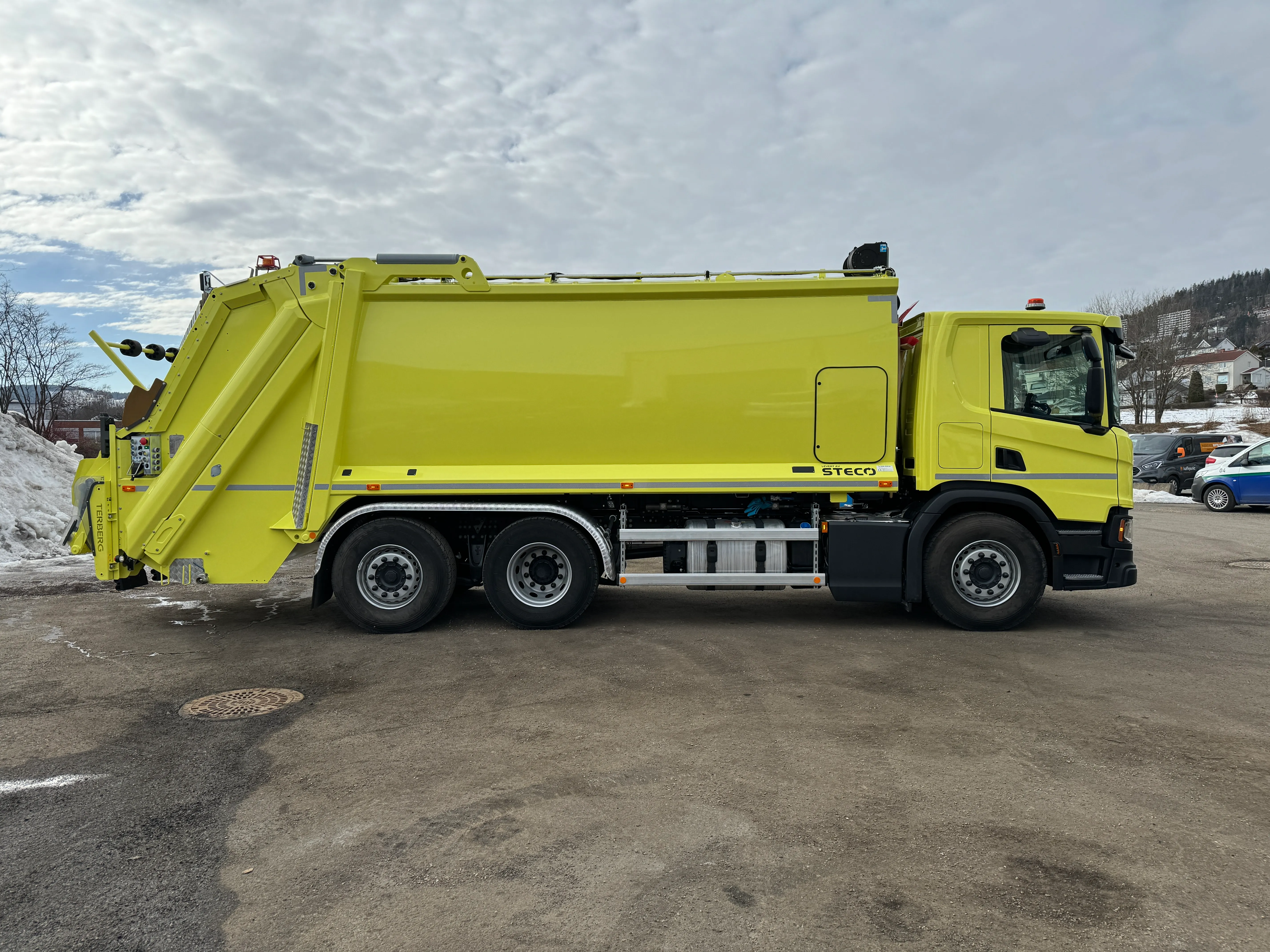
Household waste collection
Rear loaders with Terberg Olympus and adapted tippers — including automation with OmniDEL where the route demands it.
Explore application area →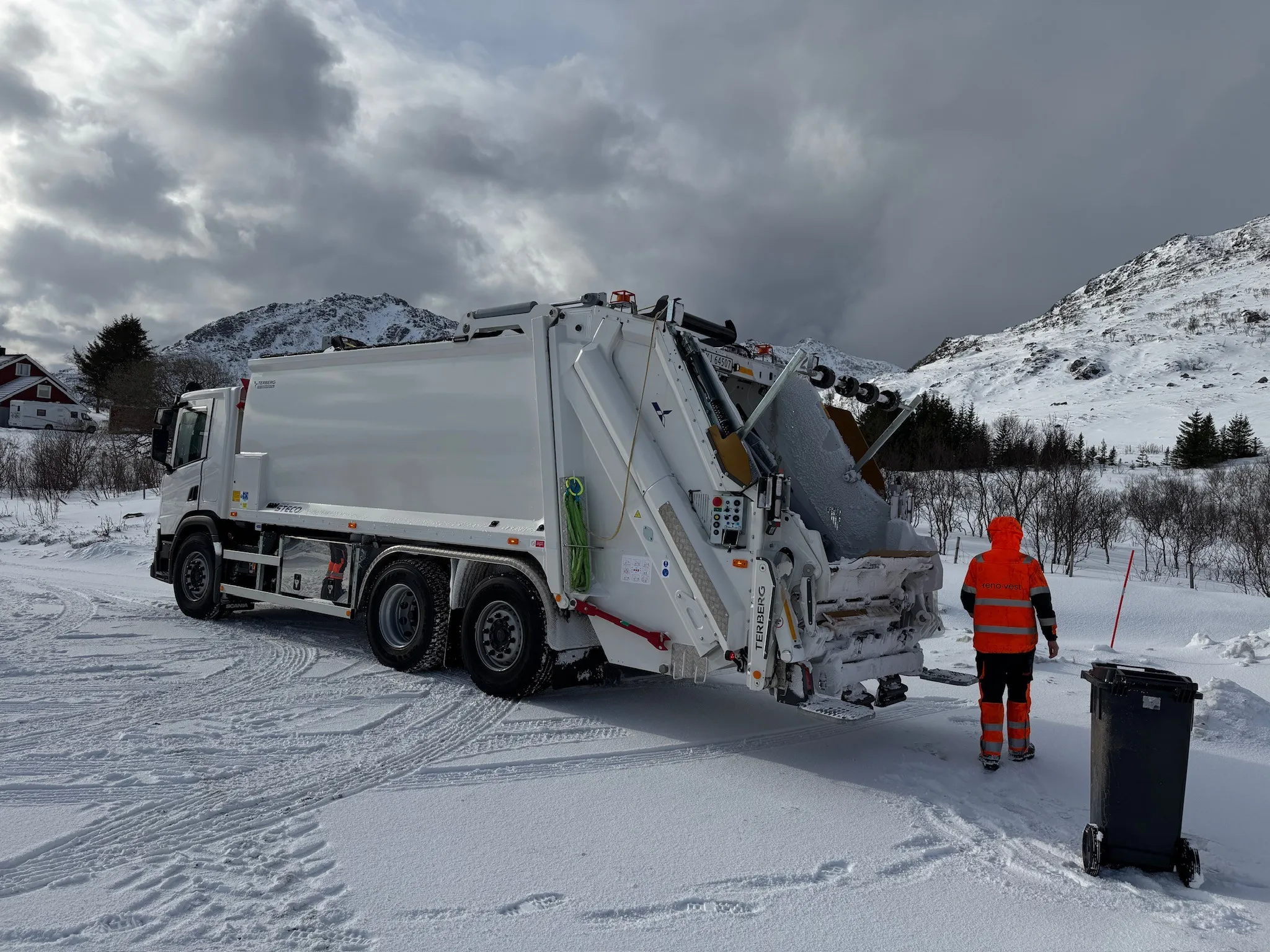
Commercial waste and industry
Single-compartment rear loaders with winch and typical Norwegian lock-and-shake for combi containers, or other lifters as required.
Explore application area →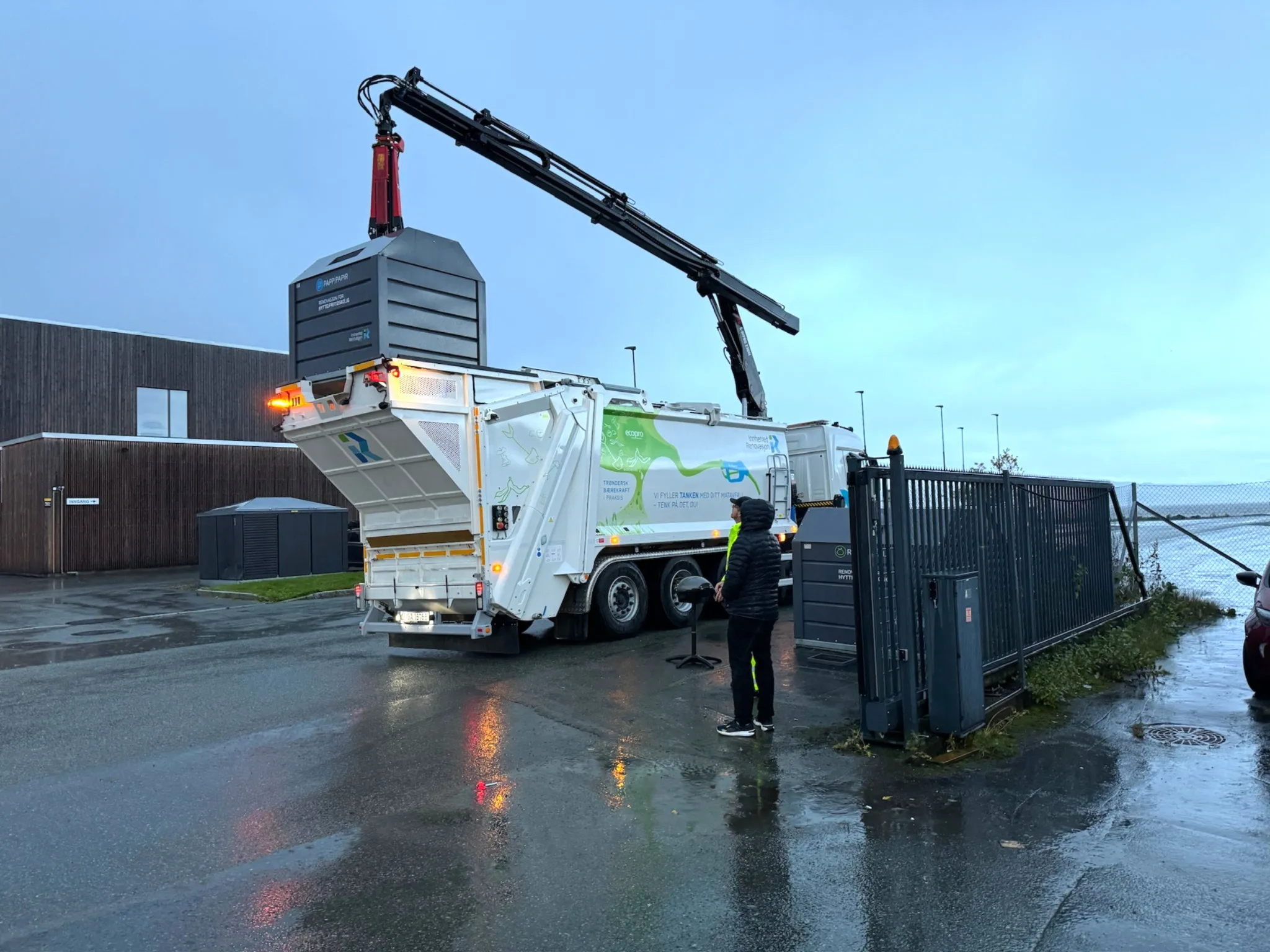
Underground systems
Refuse collection vehicles with crane for bottom-emptied containers. Can be equipped with a washing system for emptying and cleaning in one operation.
Explore application area →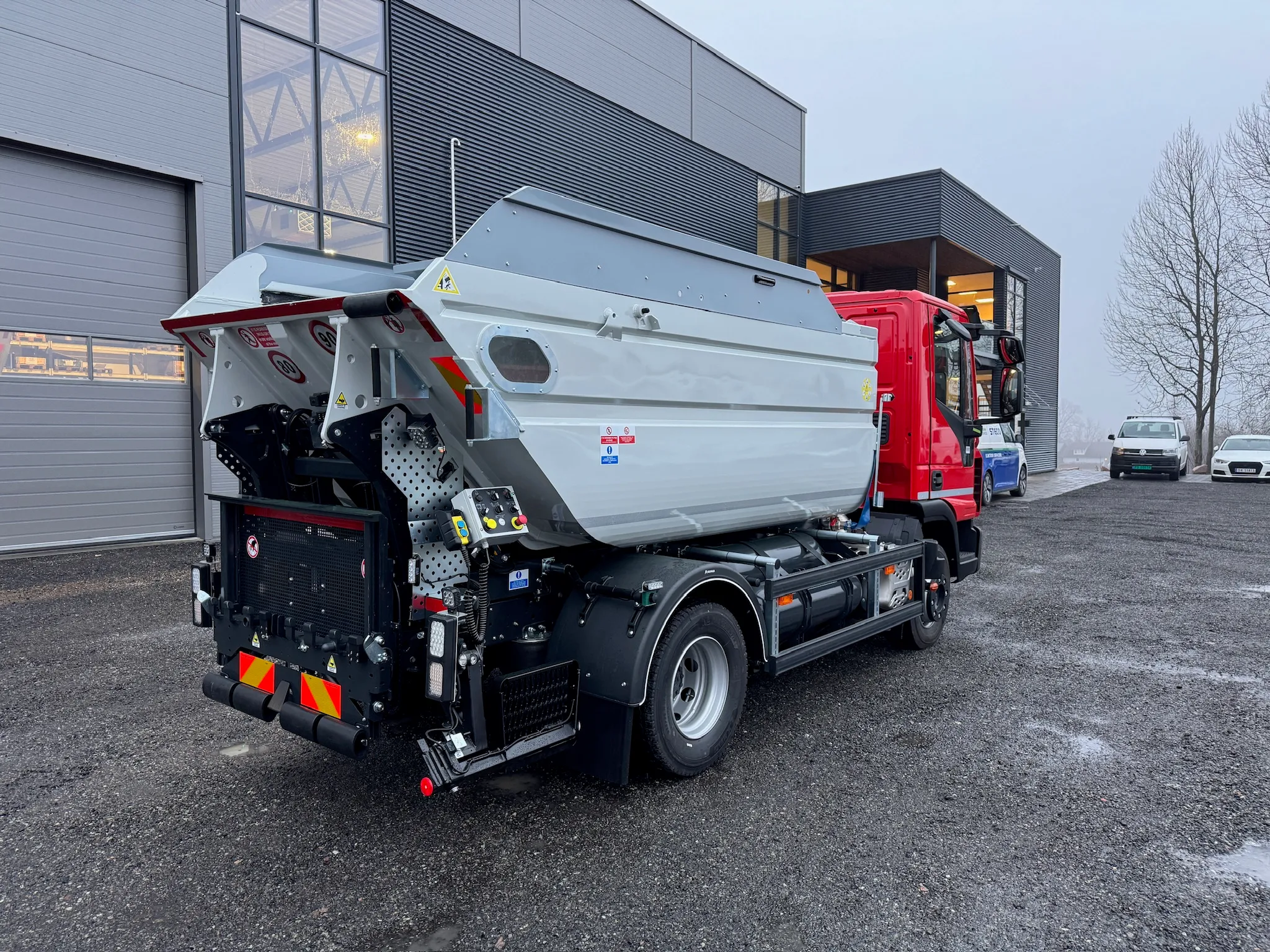
Narrow streets and city centres
The Orus range and Olympus Mini — satellite vehicles, compact RCVs and tailored solutions where a full-size vehicle cannot access.
Explore application area →Everything you need to know about refuse collection vehicles
Rear loaders, crane trucks, side loaders and satellite vehicles explained. How to choose the right refuse collection vehicle.
From our deliveries
See examples of solutions we have delivered.
Satellite vehicleCNGTwo Orus Plus Satellite Vehicles on CNG Chassis
View project →Rear loaderTerberg OL21W Rear Loader for Municipal Waste Collection
View project →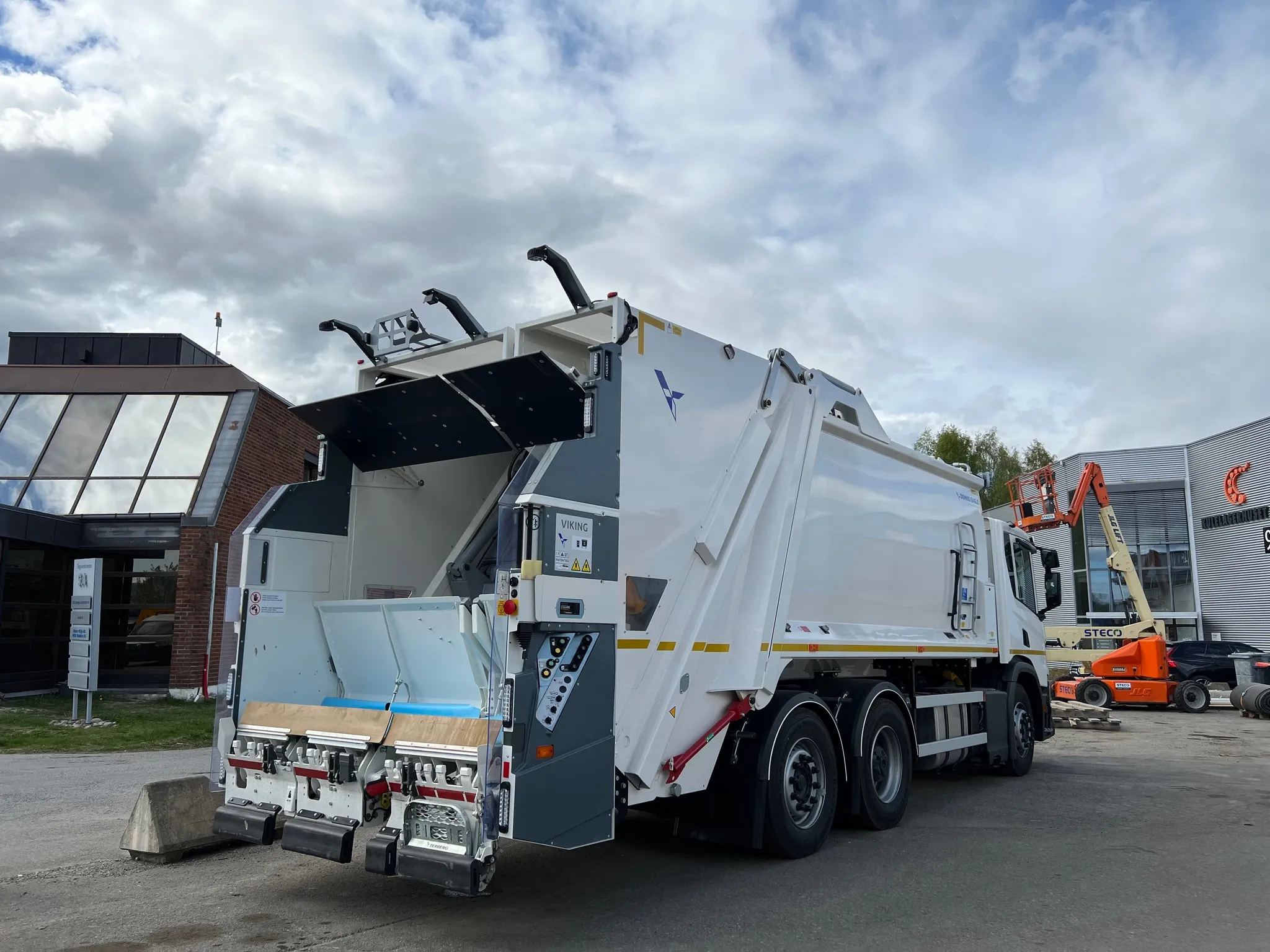 Rear loader
Terberg DualPack Viking Two-Chamber Rear Loader
View project →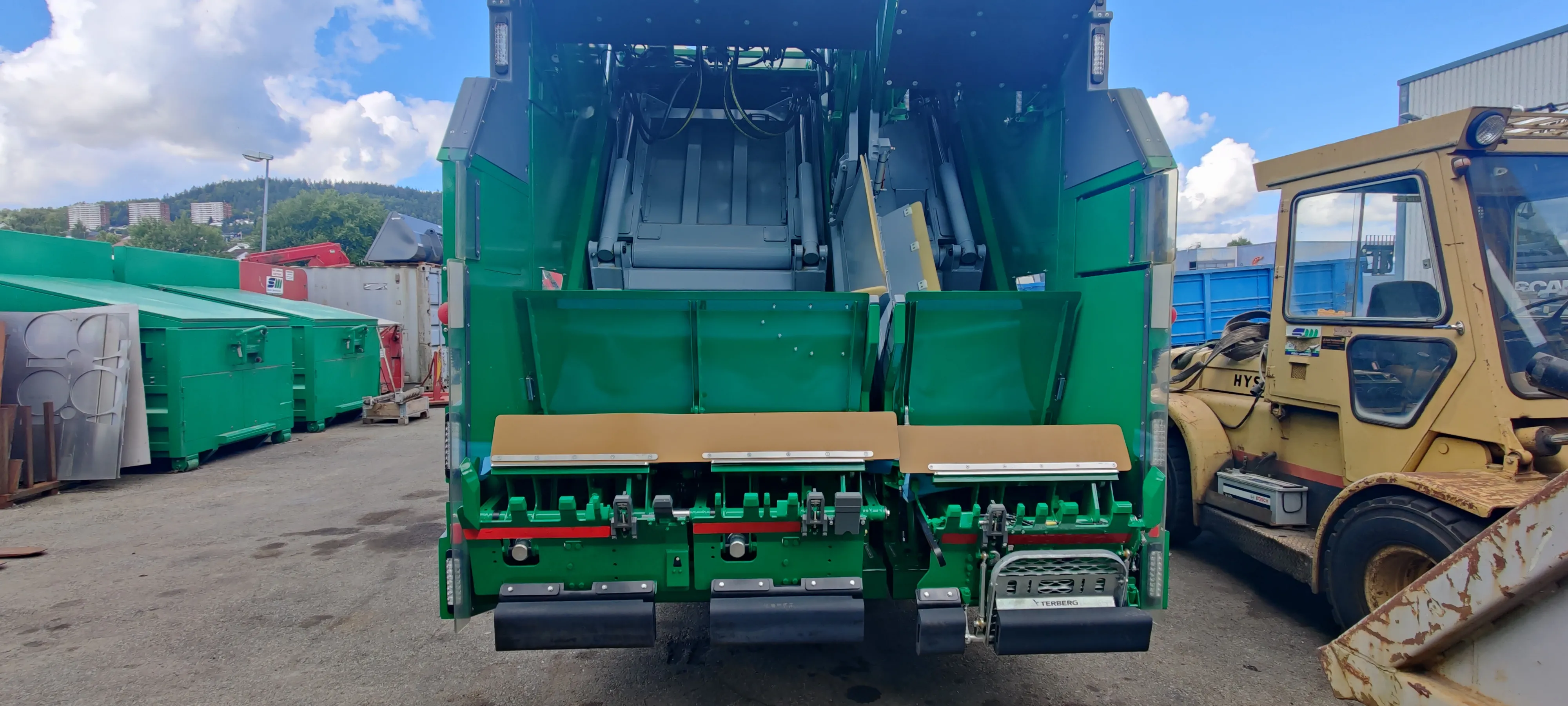 Rear loader
Terberg OLTP Viking Two-Chamber Rear Loader with Lift
View project →Frequently asked questions
Can you build bodies on all chassis brands?
Yes, we can mount bodies on most chassis brands. We are a certified body builder workshop and can adapt the solution to your chosen chassis.
What is the lead time for a new refuse collection vehicle?
Lead time depends on the body type and configuration. Typically 3–6 months from order. Contact us for a more precise timeframe based on your specifications.
Do you offer service and maintenance?
Yes, we offer full service, maintenance contracts and spare parts. Our workshop in Drammen has extensive experience with all types of refuse collection bodies.
Can an existing body be transferred to a new chassis?
Yes, we can transfer bodies between chassis. This is a cost-effective solution when the chassis is worn out but the body is still in good condition.
What is a satellite vehicle?
A compact refuse collection vehicle that collects waste in tight areas and tranships it to a larger vehicle at a central location. The Orus range in the Terberg Environmental portfolio is developed for this type of vehicle.
How large is a refuse collection vehicle?
It varies by type. A standard 2-axle rear loader is typically 8–10 m long, 2.5 m wide and 3.2–3.5 m high. Compact satellite vehicles are 5–7 m long, while large 3-axle rear loaders can be 10–12 m.
How heavy is a refuse collection vehicle?
A standard 2-axle refuse collection vehicle has a gross vehicle weight of 18–26 tonnes. The kerb weight is typically 10–14 tonnes, giving a payload of 8–12 tonnes of waste. Three-axle vehicles can have a gross weight of up to 32 tonnes.
What is the turning radius of a refuse collection vehicle?
Typically 8–11 m for a standard 2-axle rear loader. Three-axle vehicles have 10–13 m, but with a steerable rear axle it can come down to 8–10 m. Compact satellite vehicles have only 6–8 m.
How tall is a refuse collection vehicle?
Typically 3.2–3.8 m depending on chassis type and body size. Compact satellite vehicles can be as low as 2.5–3.0 m. Height is an important consideration when designing waste rooms and door openings.
Is it permitted to ride on the back of a refuse collection vehicle?
Yes, provided the vehicle is built and approved in accordance with safety standard NS-EN 1501. Speed is then limited to a maximum of 30 km/h, reversing is locked or warned, and the operator must hold a deadman's switch to confirm they are safely positioned.
Are there electric refuse collection vehicles?
Yes, fully electric chassis exist. A more common solution is a diesel or gas chassis combined with battery-powered hydraulics, where the body functions are driven by a separate battery system or the chassis's 24 V battery. This significantly reduces noise and emissions at collection stops.
What is the difference between a rear loader and a side loader?
A rear loader loads waste from the rear via a tipper/lifter and compresses it in the collection body. A side loader has a mechanical arm on the side that lifts and empties containers without the driver leaving the cab. Rear loaders are most common in Norway, while side loaders are used more where a single operator handles the entire route.
Related articles
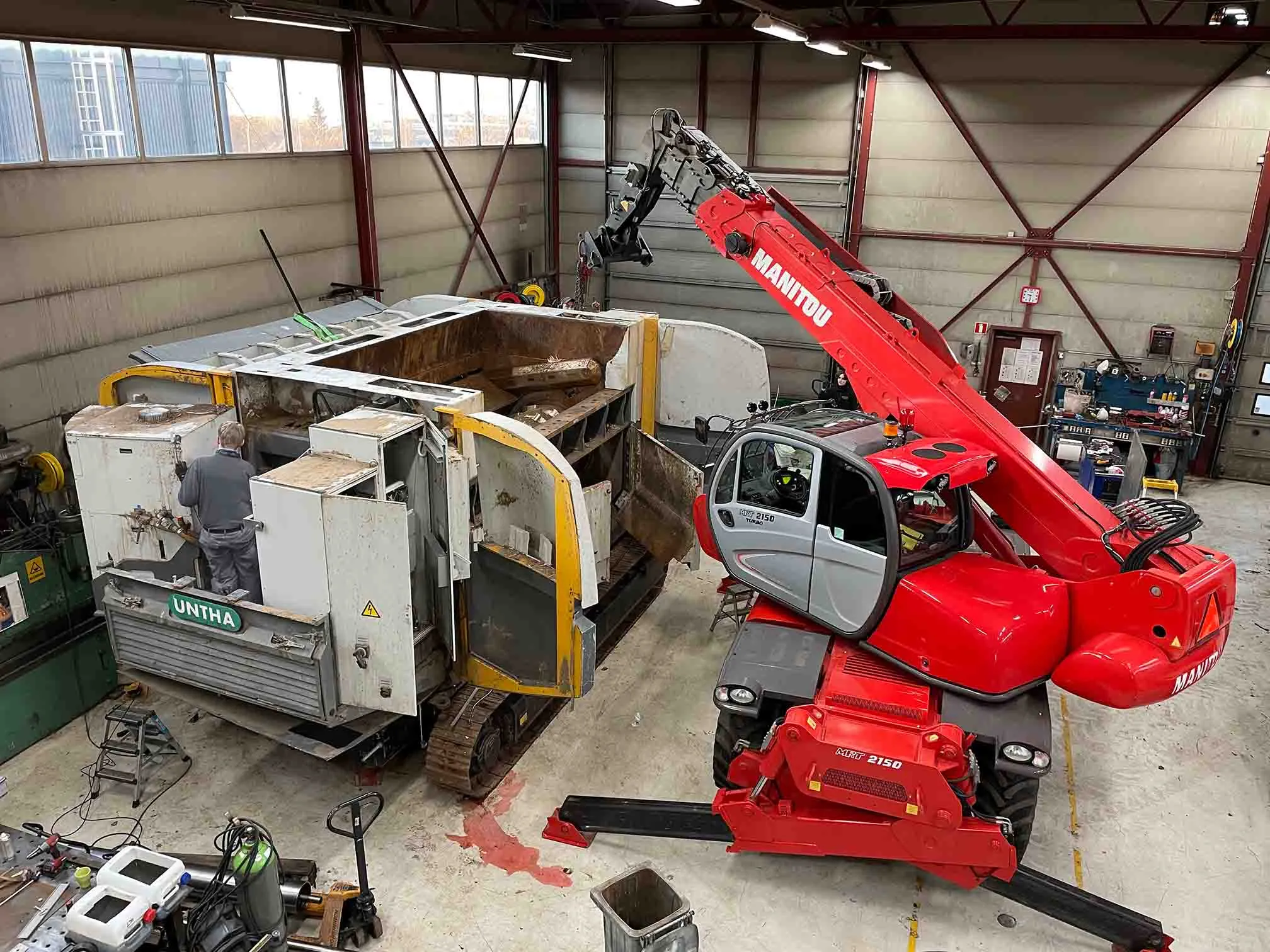
How to reduce downtime on mobile recycling machines
Preventive maintenance, correct spare parts, and clear operating routines deliver more uptime on equipment that is moved and exposed to dust.
Read more →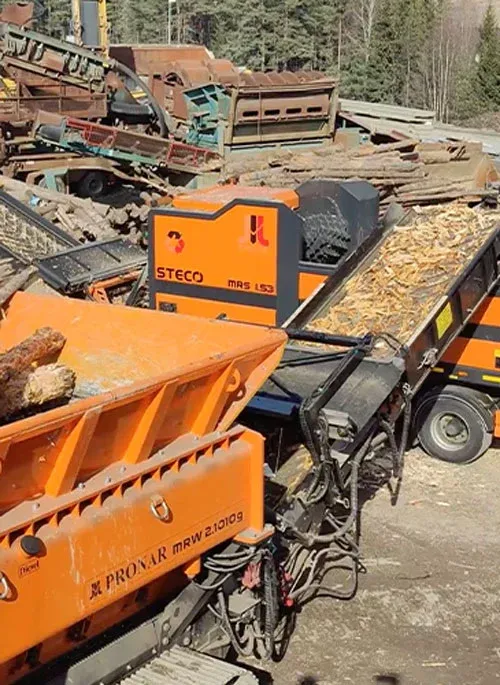
Mobile or stationary equipment: how to think total cost
Volume, setup time, and transport determine whether mobile recycling equipment or a fixed plant gives the lowest cost per tonne.
Read more →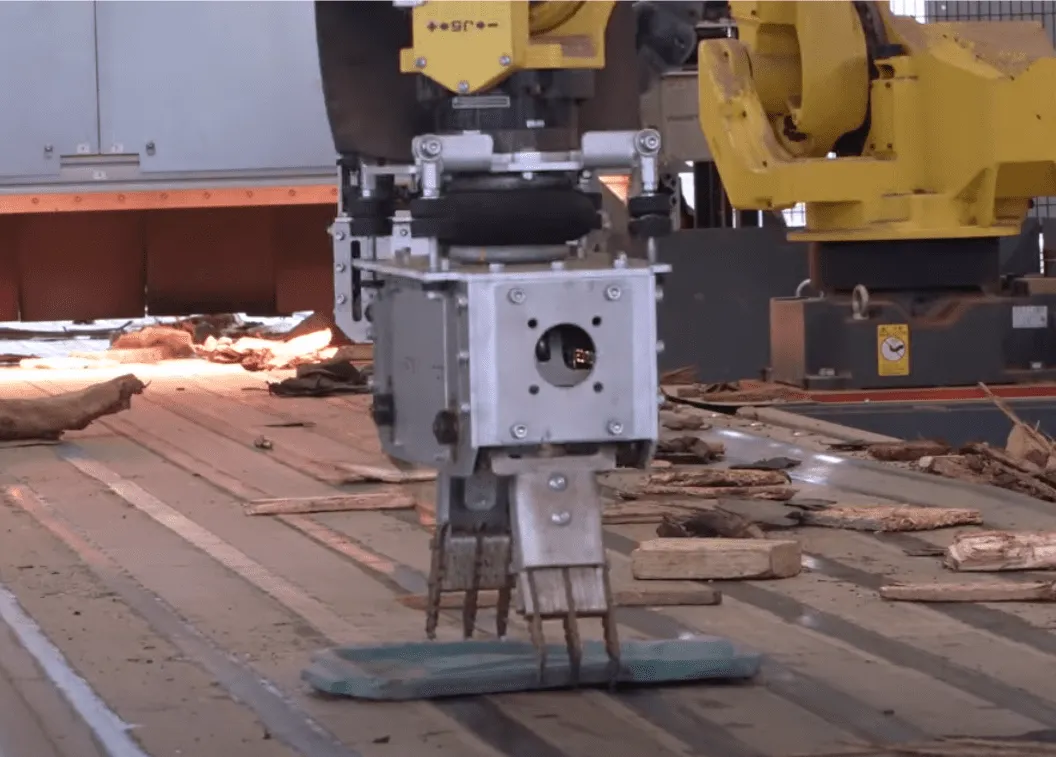
Manipulators for waste sorting – from robot arms to air jets
A review of different manipulator types that physically carry out sorting work in robotic waste sorting.
Read more →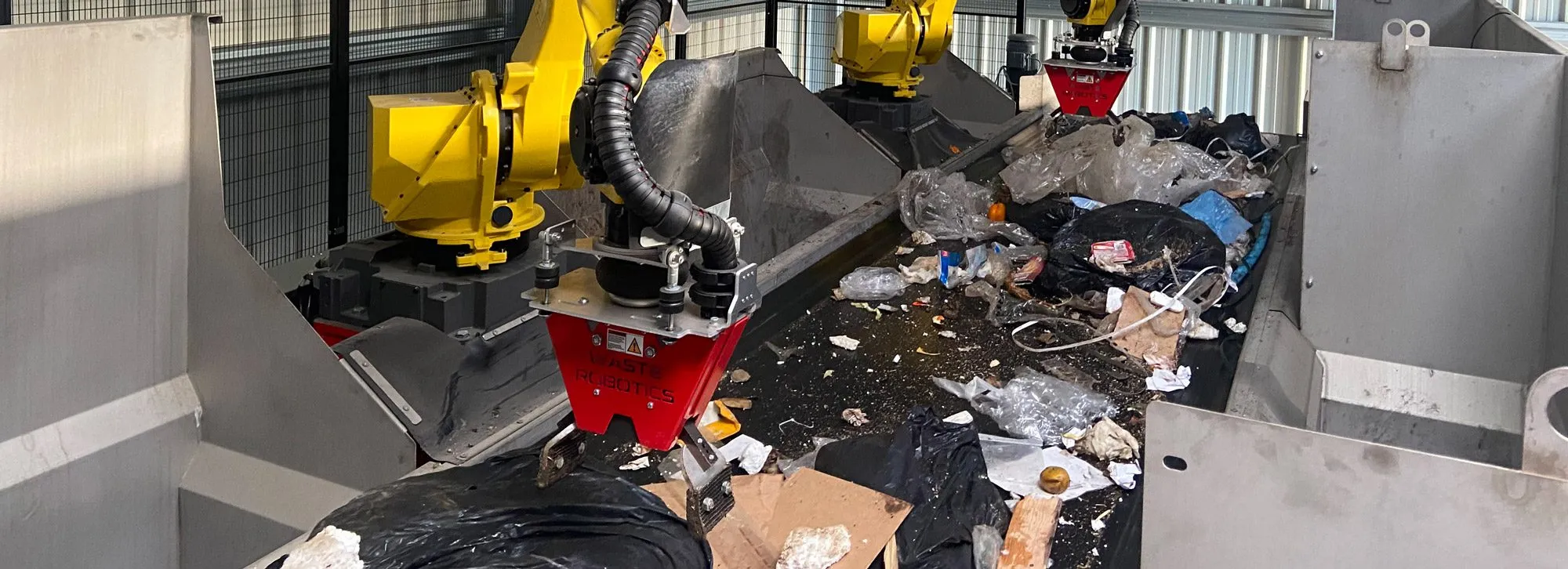
The interplay between detection and manipulation in waste robots
How waste robots depend on seamless coordination between detection systems and manipulators.
Read more →
Not sure what you need?
We help you find the right solution — no obligation.