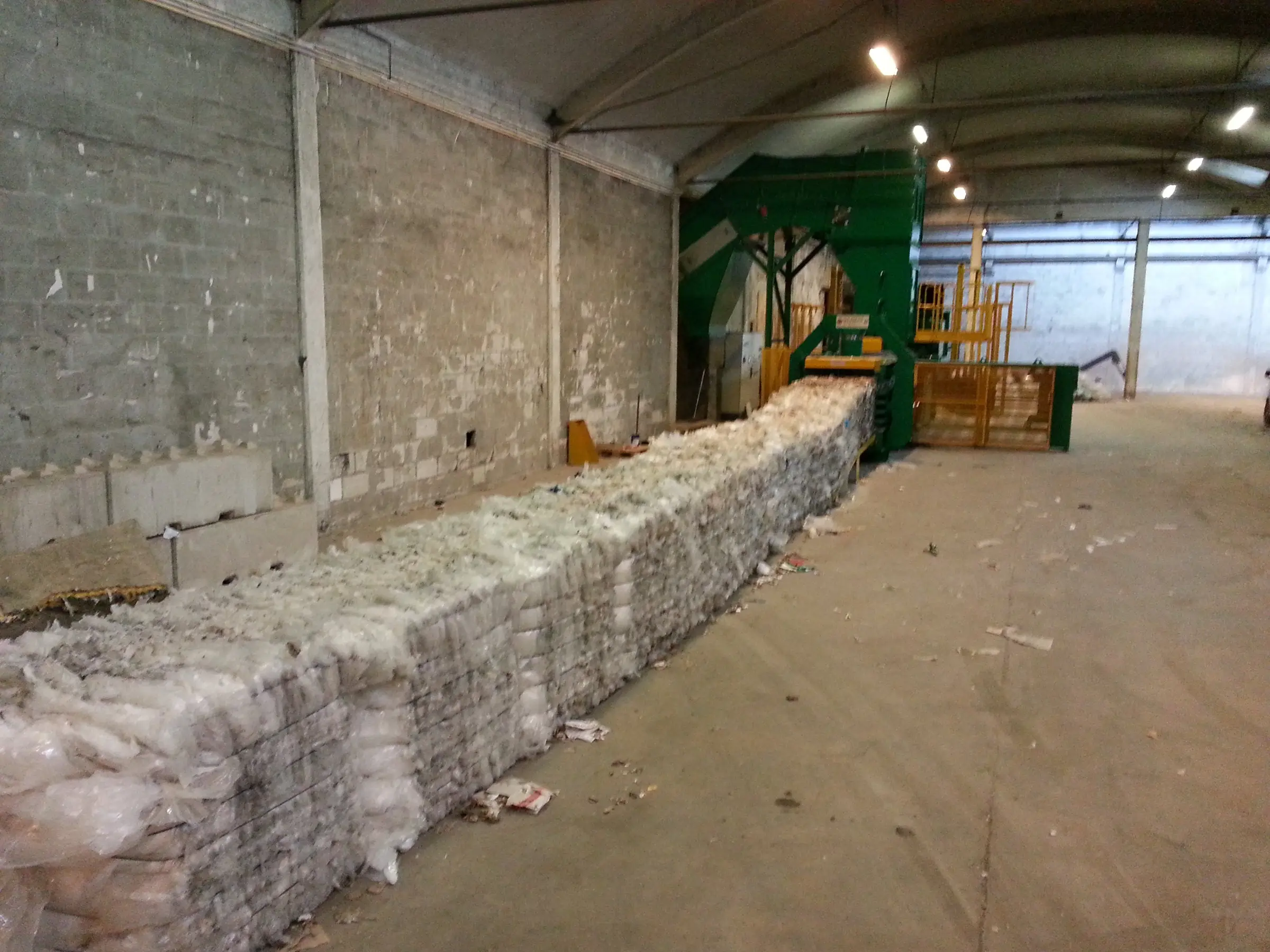
Baling Presses
Channel balers and twin-ram presses for recycling and waste management.
Baling presses for every capacity
The right baler depends on the volume you handle, the material and how the line is set up — from mid-range channel balers to heavy-duty twin-ram presses for the most demanding materials. Steco helps you match the press to your operation, drawing on several European manufacturers.
We also note that for smaller volumes, vertical presses and compactors are available — contact us for advice.
What do you need?
Open an application area for more information and an overview of available models with images and brief descriptions.
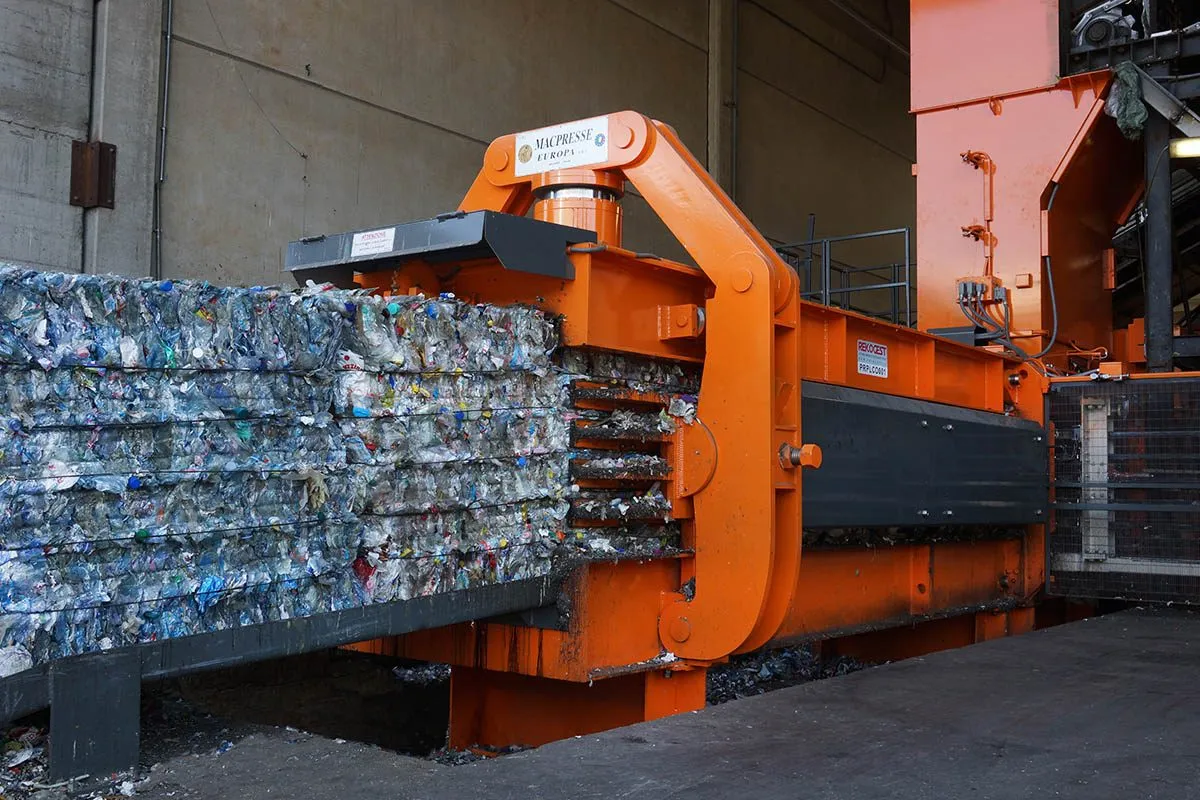
High volume and sorting plants
Continuous operation with large volumes of cardboard, plastic or RDF. Channel balers with automatic tying and discharge.
Explore application area →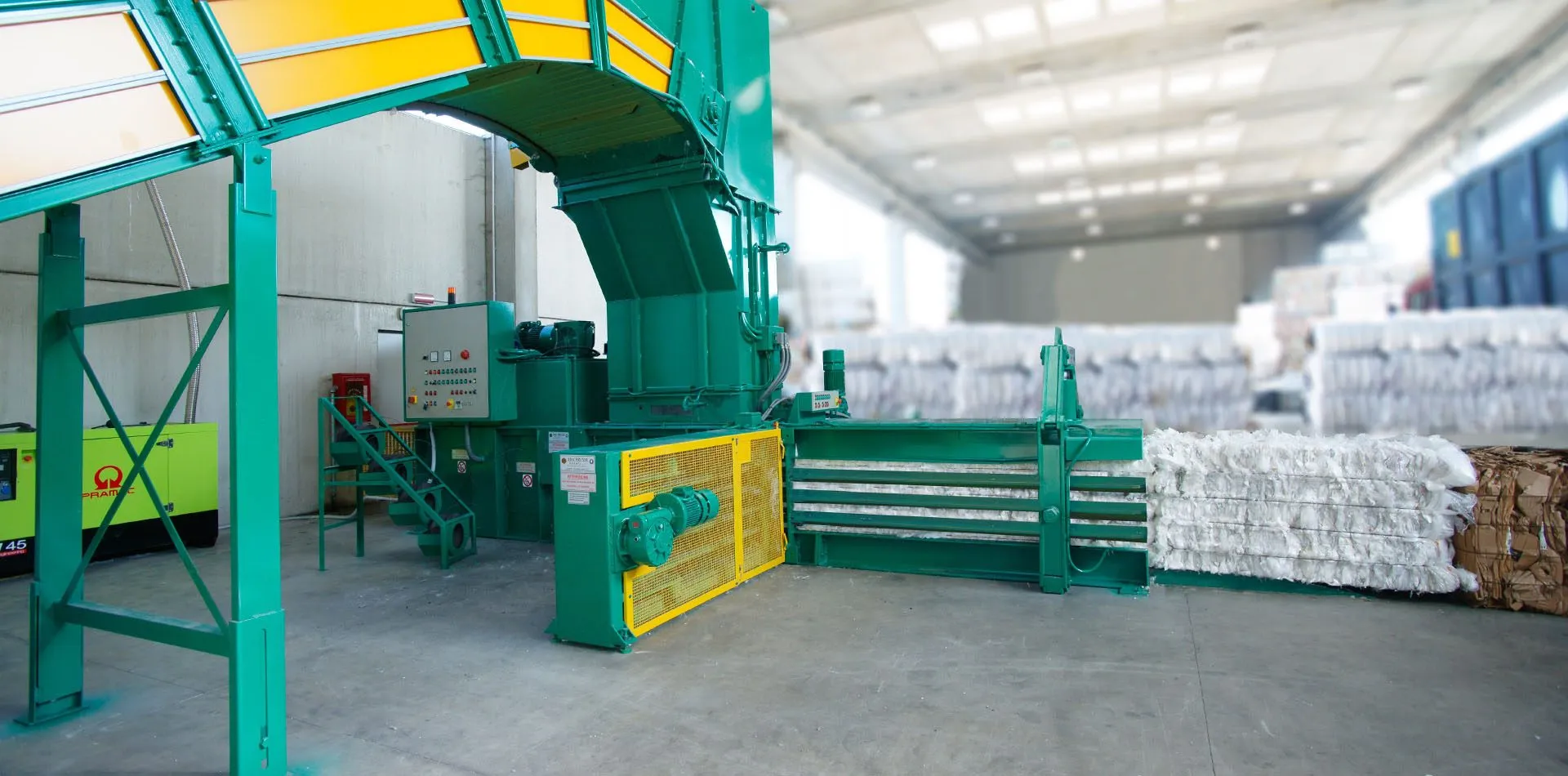
Industry and medium volume
Factories, warehouses and logistics centres that need reliable baling without full automation.
Explore application area →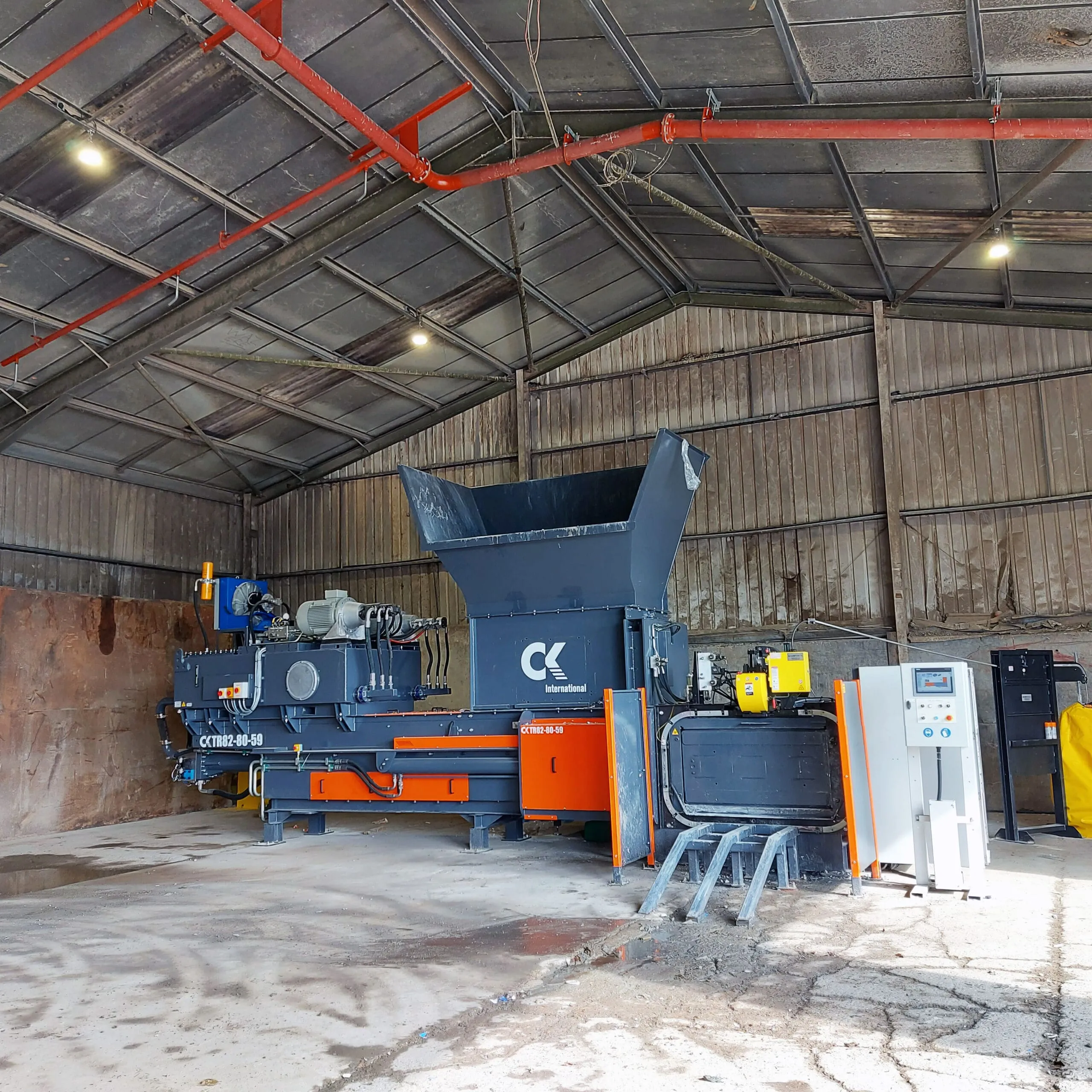
Demanding materials
PET bottles, aluminium, metal packaging and other materials requiring consistent bale size and high press force.
Explore application area →Our suppliers
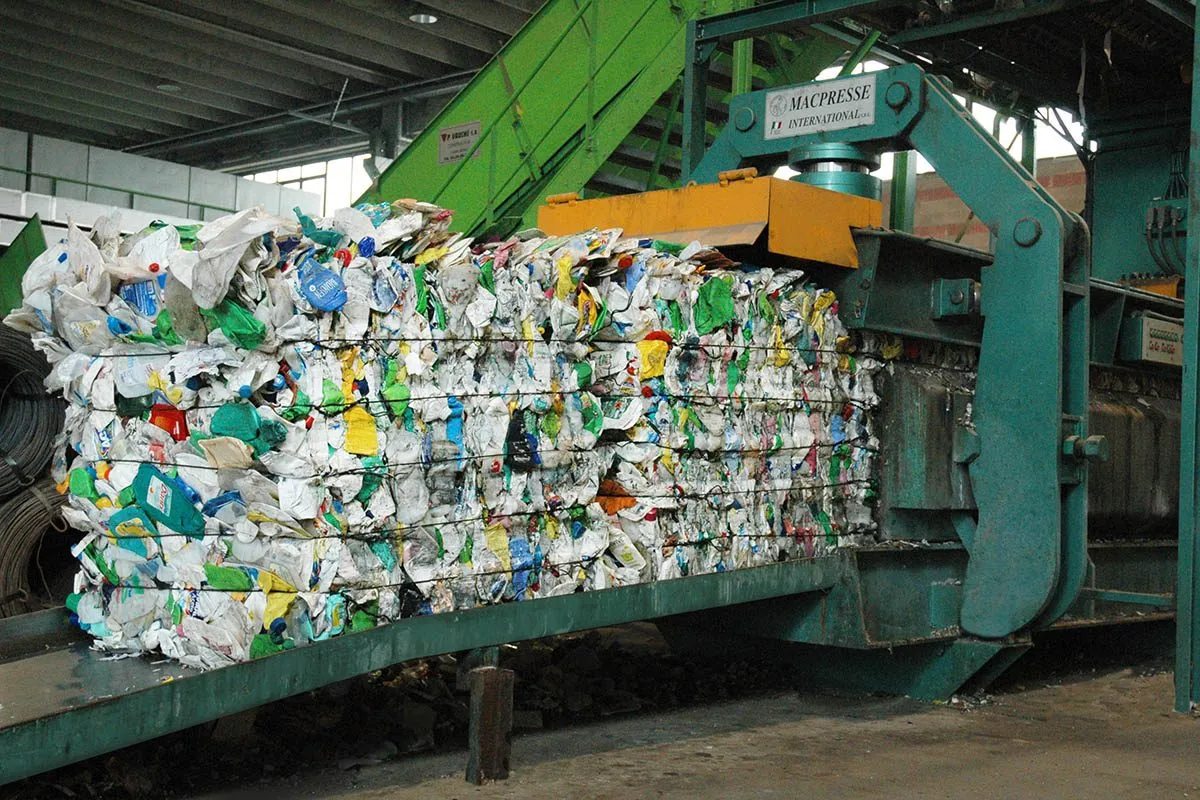
Macpresse
ItalyItalian manufacturer of high-capacity channel balers. Known for solid construction, horizontal tying and long service life. The MAC range covers everything from compact entry-level models to large-scale industrial lines.
Models: Macpresse MAC 102, Macpresse MAC 106/2, Macpresse MAC 107/2 and more
See products from Macpresse →CK International
Northern IrelandNorthern Irish manufacturer of twin-ram presses and semi-automatic horizontal presses. Strong on demanding materials such as PET, aluminium and RDF. Over 25 years of experience.
Models: CKTR63, CKTR82, CKTR121 and more
See products from CK International →Lyndex
United KingdomLyndex supplies high-volume shear balers and 2-ram solutions for demanding recycling lines. The company became part of CK International in 2025.
Models: Lyndex Meggabite, Lyndex Bimax, Lyndex Middibite and more
See products from Lyndex →Borema
SwitzerlandSwiss manufacturer of the i-BOR 22 – an RFID-based personal safety system (APSS) that stops balers, shredders and conveyors automatically and contact-free when personnel enter the danger zone. Performance Level D and European type approval.
See products from Borema →Everything you need to know about balers
How to choose the right baler for your operation. Channel balers, two-ram balers and tying systems explained.
From our deliveries
See examples of solutions we have delivered.
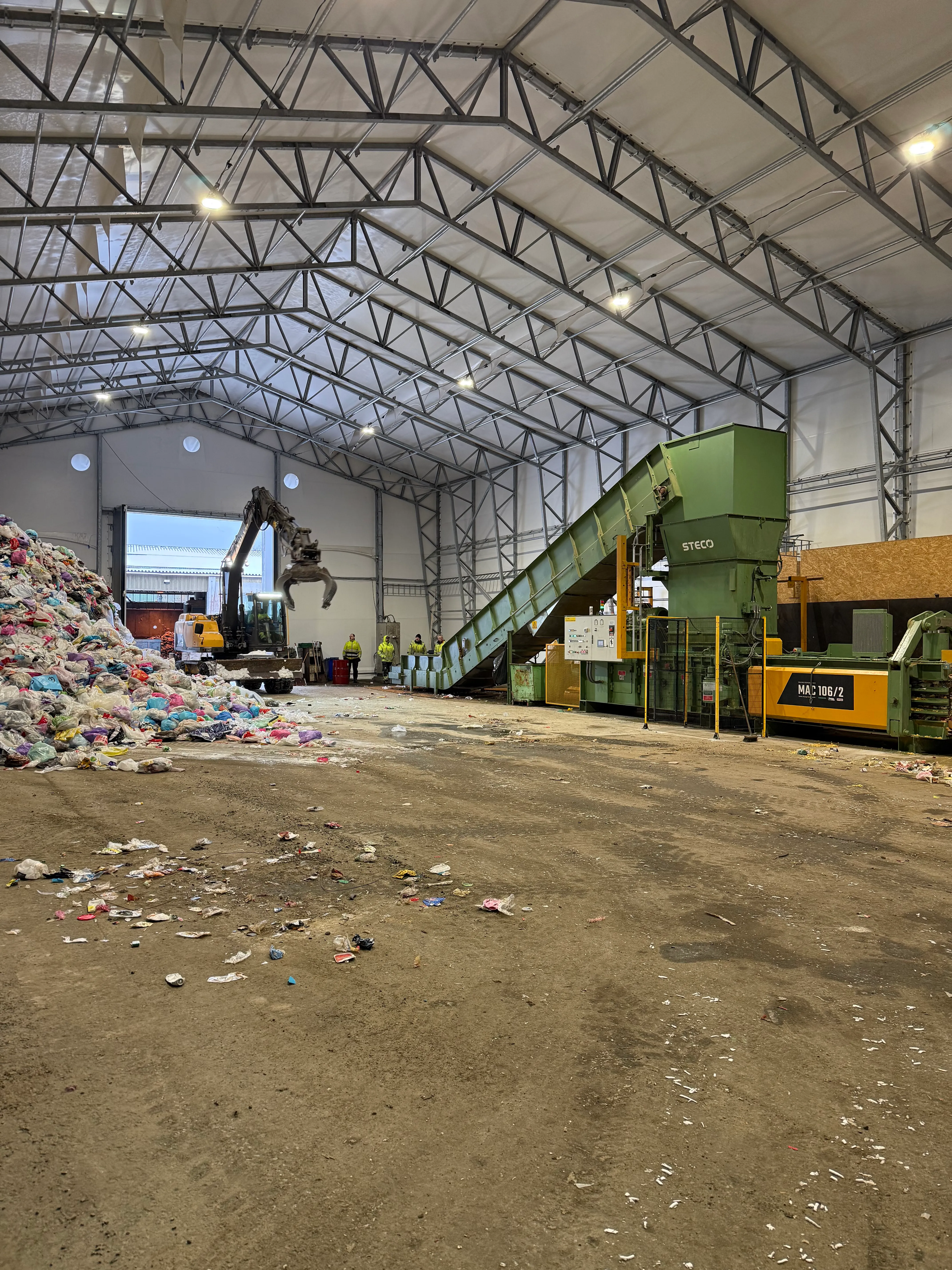 Channel baler
Macpresse 106/2 Channel Baler for Intermunicipal Company
View project →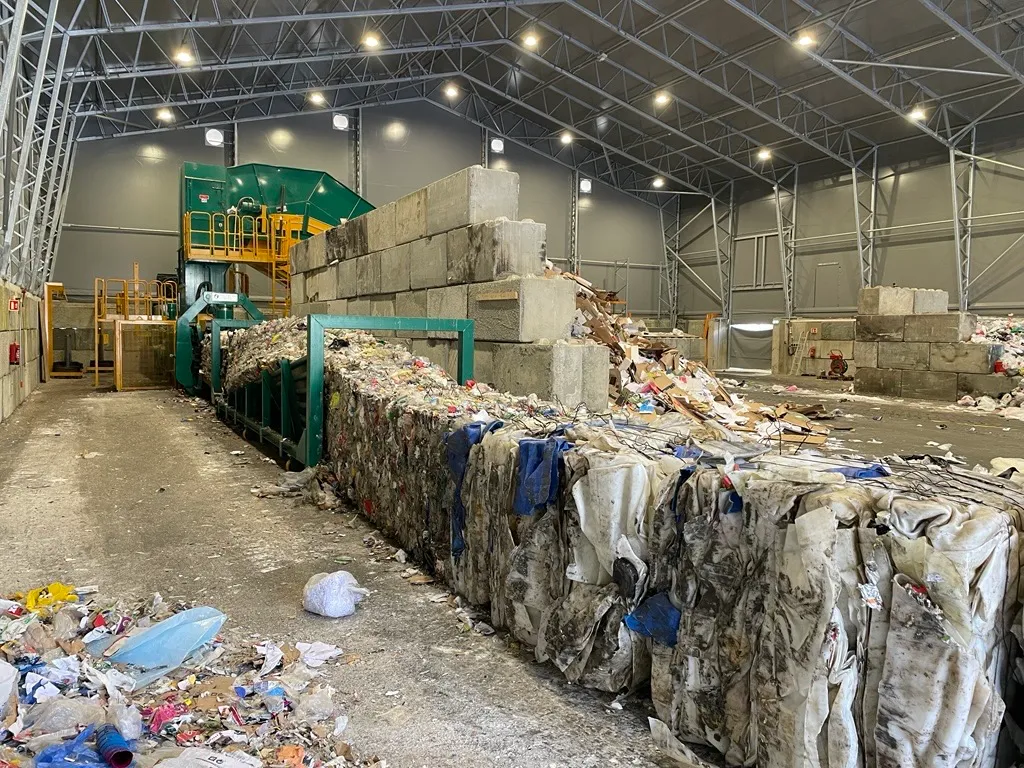 Channel baler
Macpresse 111AS Channel Baler for Recycling Facility
View project →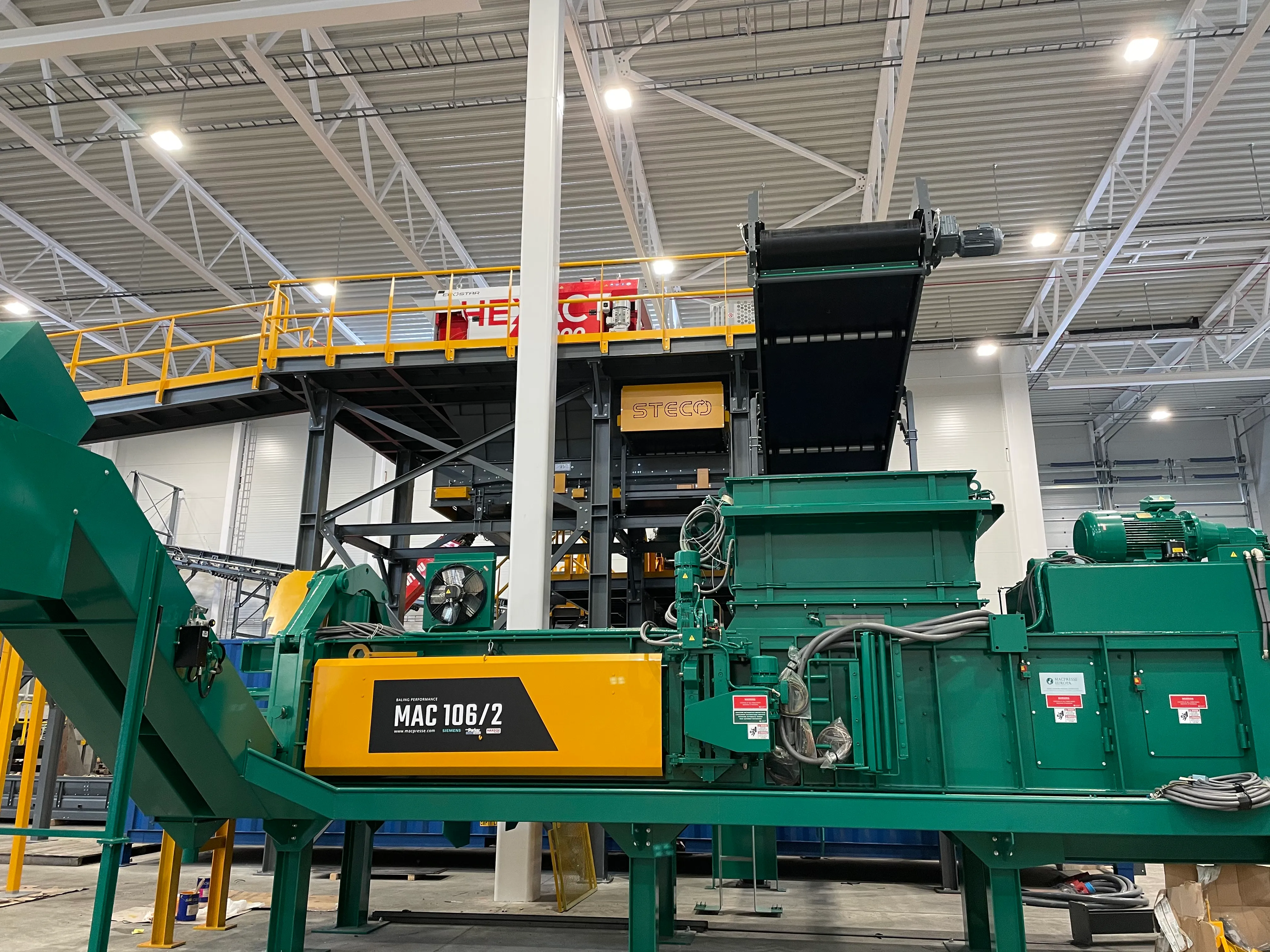 Channel baler
Macpresse 106/2 Channel Baler for Intermunicipal Company
View project →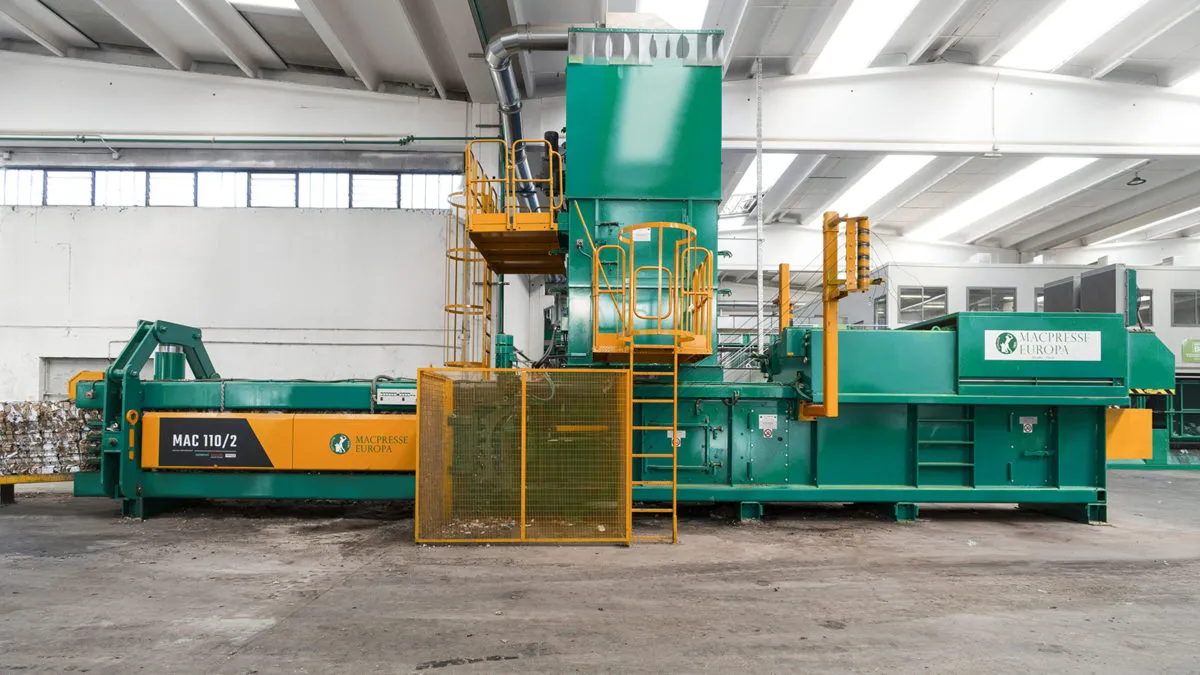 Channel baler
Macpresse 110/2 Channel Baler for Waste Facility
View project →Frequently asked questions
How much space does a baling press require?
It varies from model to model. A channel baler can require 15–20 metres in length. We help you plan the placement.
What does it cost to operate a baling press?
Operating costs are relatively low. Electricity consumption, baling wire and periodic maintenance are the main items. Savings on transport costs usually significantly exceed operating costs.
What is the lead time?
Lead time varies from 4–16 weeks depending on model and configuration. Contact us for the exact lead time for the solution that suits you.
Do I need cross-tying?
Usually not. With the right press, a long enough channel and sufficient force, cross-tying is an unnecessary extra cost that can add up to NOK 1,200 per hour.
Can I press multiple materials in the same press?
Yes, most channel balers can handle cardboard, plastic, textiles and light metals. It is important to empty between material changes to avoid contaminating the bales.
Related articles
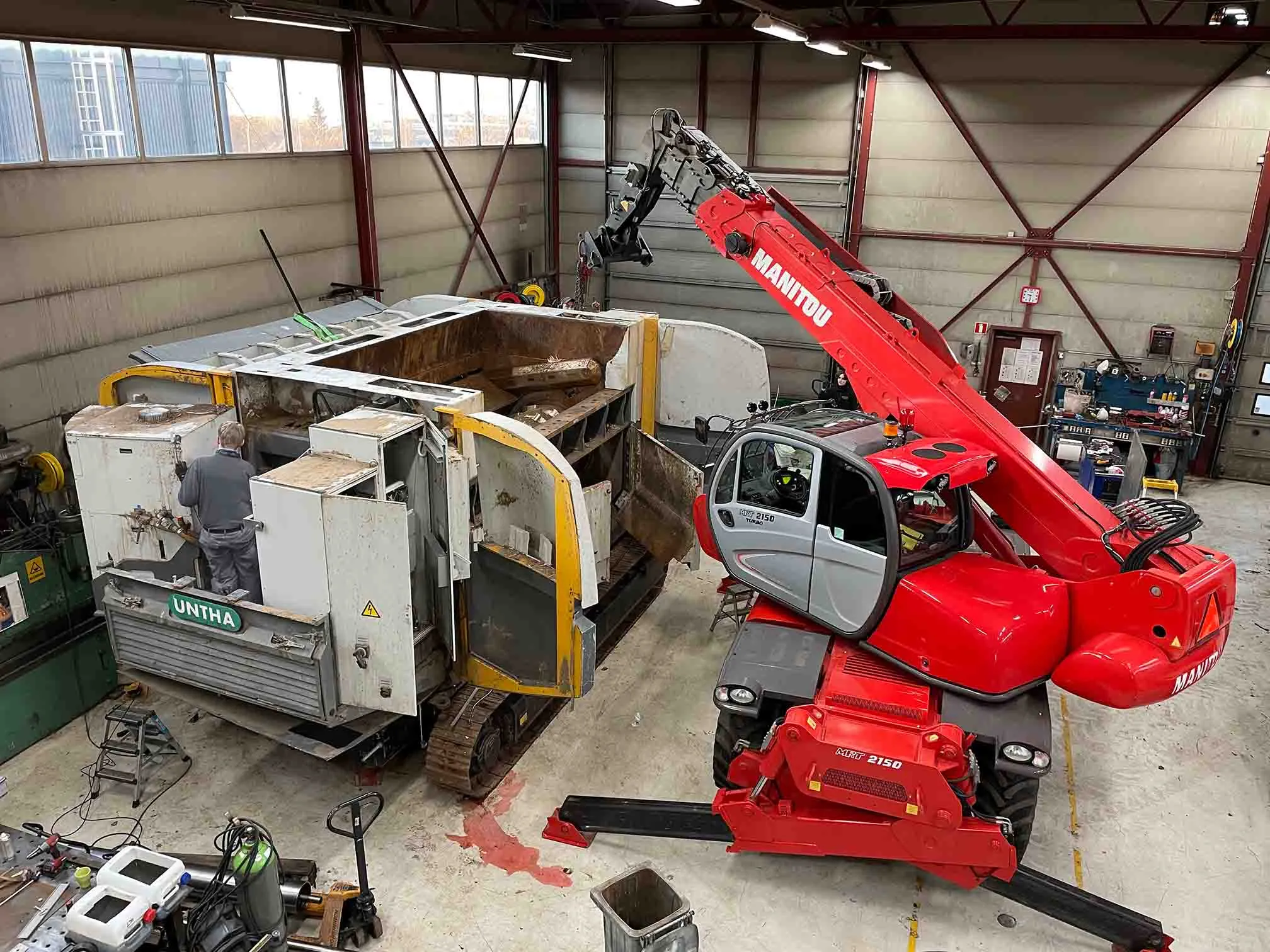
How to reduce downtime on mobile recycling machines
Preventive maintenance, correct spare parts, and clear operating routines deliver more uptime on equipment that is moved and exposed to dust.
Read more →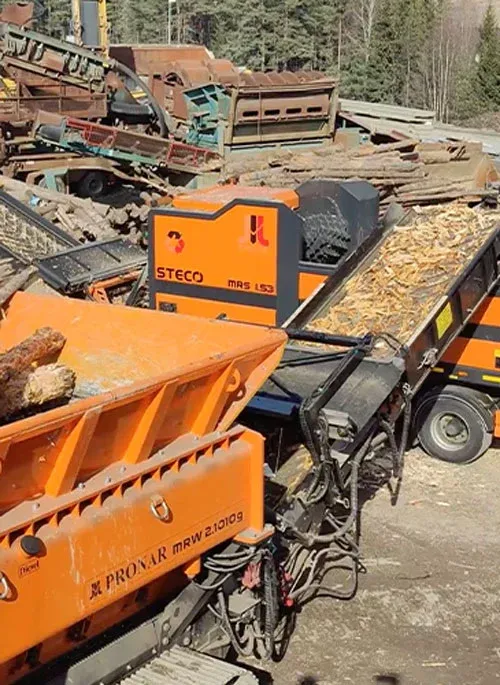
Mobile or stationary equipment: how to think total cost
Volume, setup time, and transport determine whether mobile recycling equipment or a fixed plant gives the lowest cost per tonne.
Read more →
Not sure what you need?
We help you find the right solution — no obligation.