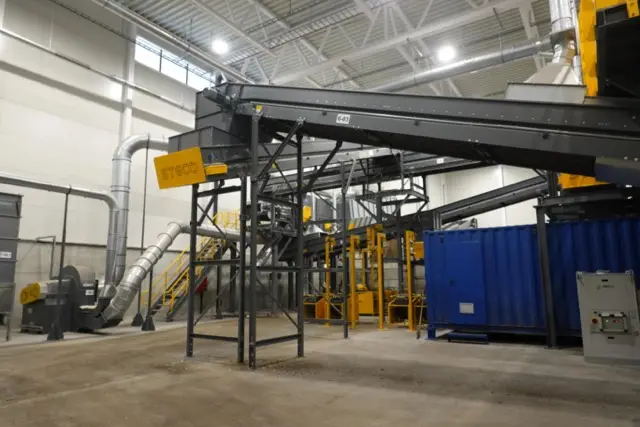
Sorting Plants
Custom-built sorting plants for waste management. Optical sorting, robotic sorting, air classification, dust extraction and complete plants.
Plants and waste management for the future
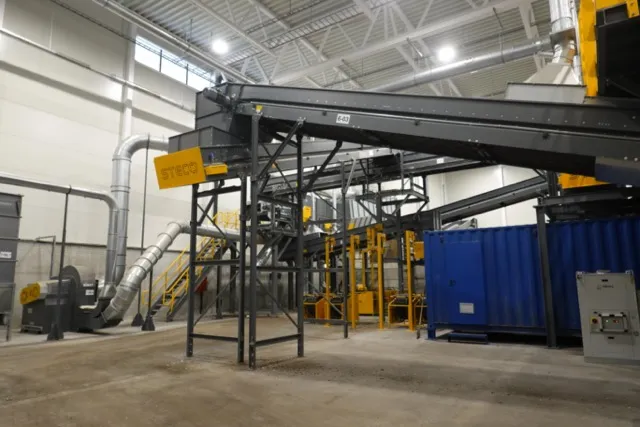
Steco designs and delivers sorting plants tailored to the customer’s specific requirements. We have experience with everything from small sorting stations to large, fully automated processing plants.
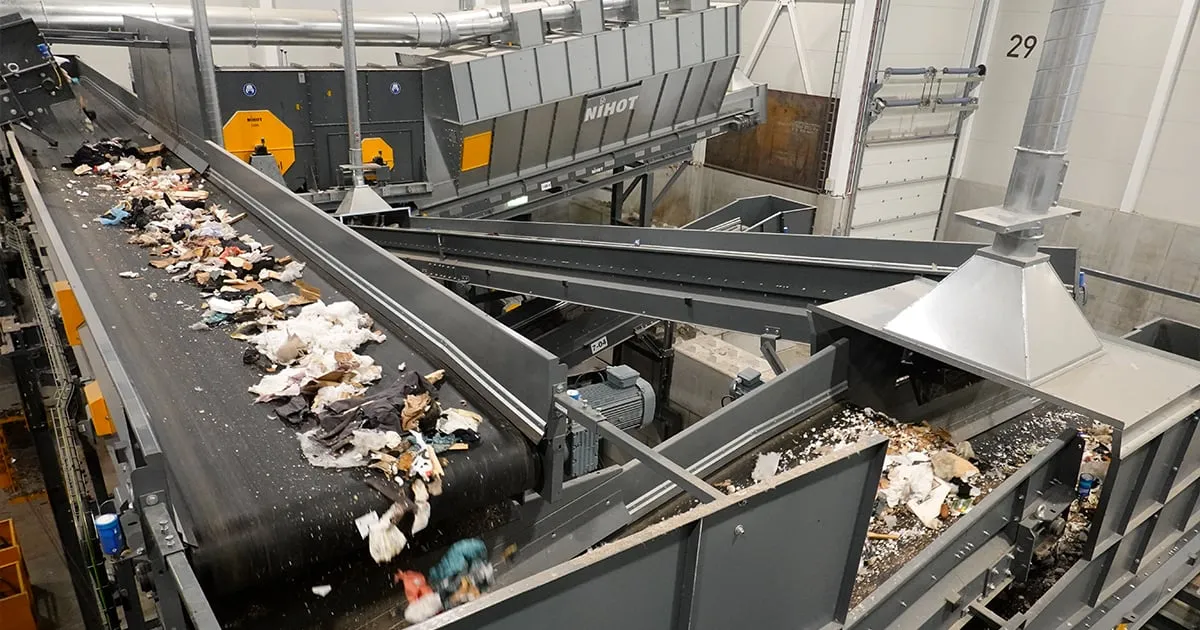
How do we build a good plant?
When a new plant is to be built, it is important to consider what you want to achieve now and what you might want to accomplish in the future. How is the waste composed, what do you want to sort out now, and what might be worth sorting out later?
With Steco on your team, we can find these answers together. We like to see ourselves as the customer’s external development department, with solid expertise in individual machines and how they can best be utilised together. We also have a large international network of contacts and suppliers who can contribute with input and the opportunity to visit reference plants.
Our approach
We always start by understanding your material flows and defining what provides the greatest value to sort out. Then we design a plant that can grow with your needs — build what you need now, and expand later.
Consideration for existing buildings and equipment
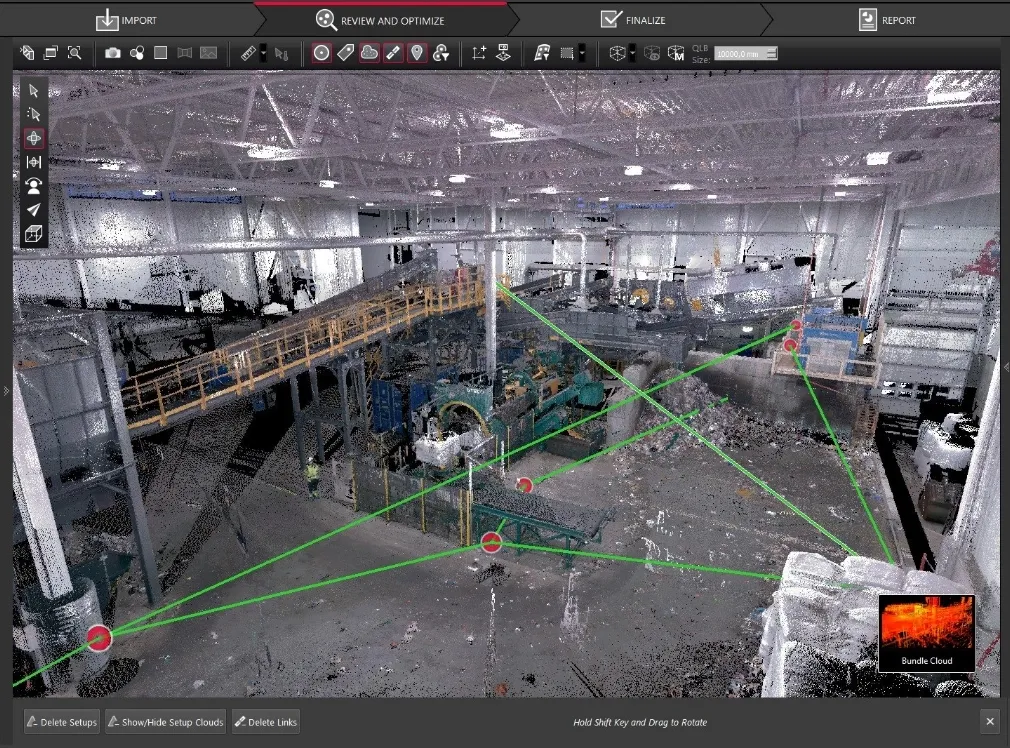
If the plant is to be located in an existing building, or integrated with existing equipment, it is essential to have good control of this. 3D scanning often reveals that as-built drawings are missing important parts of the structure.
At Steco, we always use 3D modelling software combined with 3D scanning to position new equipment in relation to existing structures. This enables us to utilise the space to its full potential while avoiding any surprises during installation.
Automation and control
We always use high-quality control electronics from Siemens. A good user interface on a large touchscreen gives operators clear information about what is happening in the plant, while also allowing them to select different operating modes.
Industry 4.0 — Cloud-connected logging of operating parameters and maintenance planning. With remote access, we can troubleshoot and assist without travel time.
Integrated safety — Starters and frequency converters with integrated safety. Parts of the plant can be placed in emergency stop mode during maintenance, while others remain in operation.
Flexible system — Build what you need now, and add extra machines and functions as you go. A modular electrical system makes this simple and cost-effective.
Project execution
When we build plants, we focus on close collaboration with you throughout the entire process — from the initial idea to the plant being in stable operation.
Engineering
Concept development, contract signing and detailed engineering tailored to your requirements and building.
Production
Quality-assured production at our suppliers, with ongoing follow-up and documentation.
Installation
Assembly and commissioning on site, with thorough testing of all systems before handover.
Follow-up
Close follow-up during the commissioning phase ensures a smooth experience. We offer various solutions for operational support during the initial period.
What we offer
- Engineering – from concept to completed plant
- Turnkey solutions – complete delivery including installation
- Upgrades – modernisation of existing plants
- Service – operation and maintenance contracts
Our suppliers
Tomra Recycling
NorwayNorwegian manufacturer of sensor-based sorting machines for waste, plastics and metal recycling. AUTOSORT, INNOSORT FLAKE, X-TRACT and GAINnext cover everything from mixed municipal waste to fine sorting of plastic flakes and metals. In-house sensor technology spanning NIR, VIS, XRT and LIBS.
See products from Tomra Recycling →Waste Robotics
CanadaCanadian manufacturer of AI-driven robotic sorting systems. Combines hyperspectral imaging, deep learning and application-specific grippers for picking and quality control in sorting lines — from MRF pre-sorting to construction and demolition waste.
See products from Waste Robotics →Waste plants — everything you need to know, from one machine to a complete line
Practical technical guide for Norwegian waste and recycling plants: scale, conveyors, mechanical separation, optical sorting, robotics, data capture — and what most people forget about the Machinery Directive and Declaration of Conformity.
Frequently asked questions
What does a sorting plant cost?
The price varies significantly based on capacity, degree of automation and material types. Contact us for a no-obligation assessment based on your specific requirements.
Can existing plants be upgraded?
Yes, we also specialise in upgrading and modernising existing plants. We can add optical sorting, robots or dust extraction to an existing facility.
How long does it take to build a plant?
From engineering to completed plant, it normally takes 6–18 months depending on complexity and scope. We follow the project from start to finish.
What kind of maintenance is required?
We offer maintenance contracts tailored to your plant. Regular preventive maintenance ensures maximum uptime and long equipment life.
Related articles
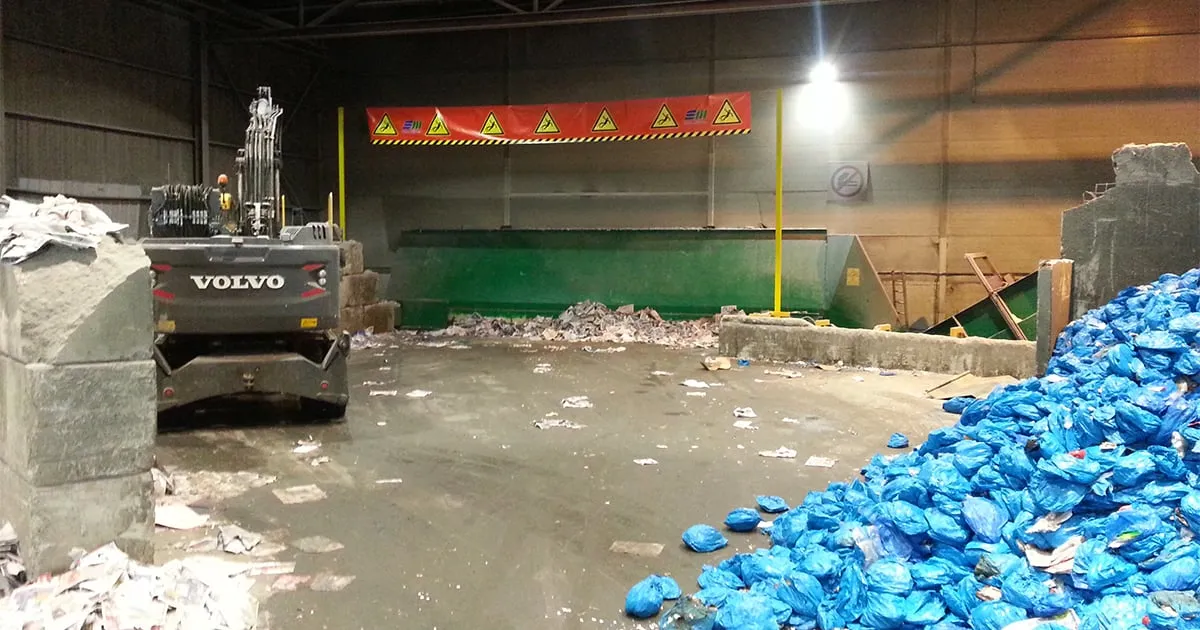
Safety at the pit conveyor – what is required
Safety requirements for recessed conveyors in waste treatment – contactless safety systems protect personnel.
Read more →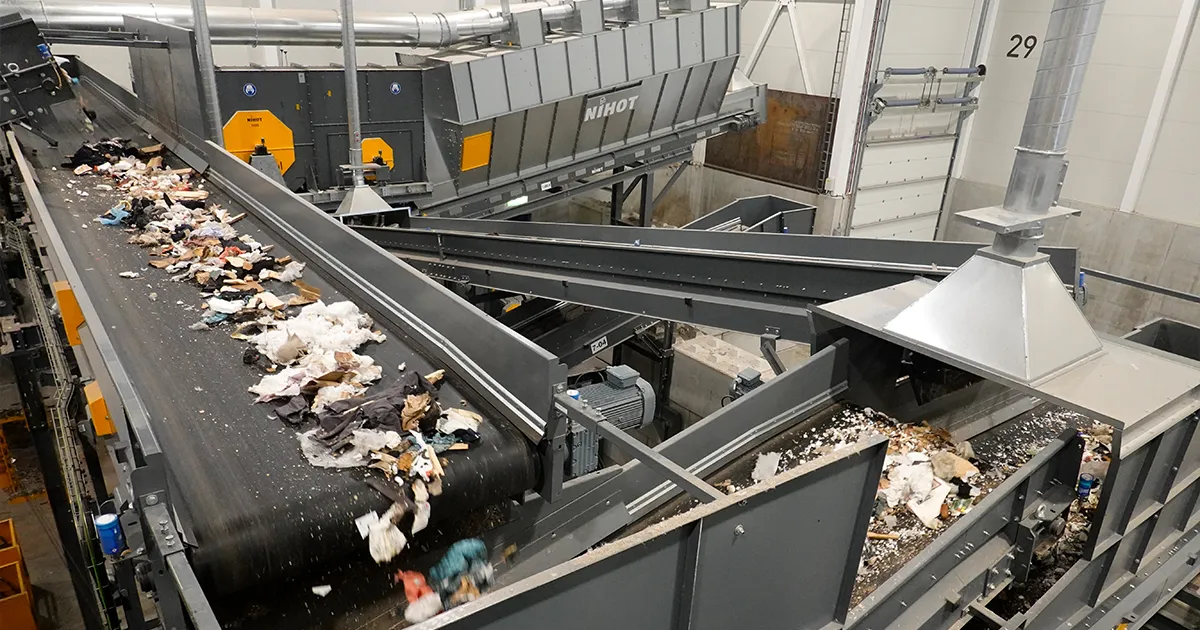
Protect the working environment: Dust extraction in waste plants
Dust control systems protect workers, increase efficiency, and meet HSE requirements in waste treatment plants.
Read more →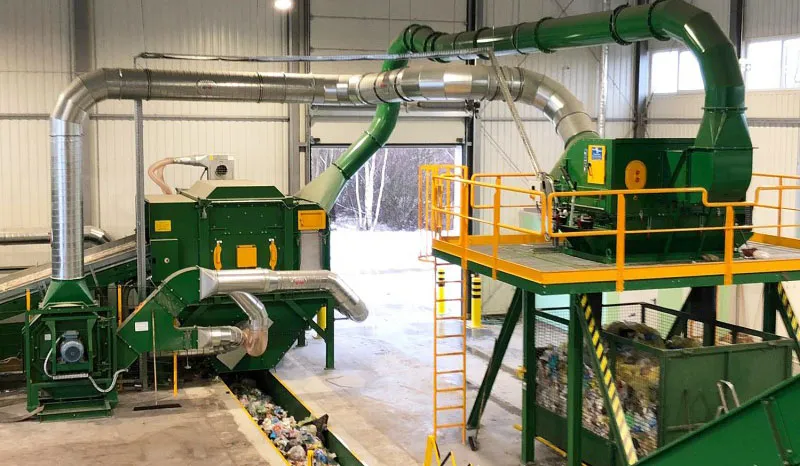
Benefits of using wind sifters and air separators in waste management
Wind sifting and air separator technology uses airflow to separate light and heavy materials for improved sorting.
Read more →
Not sure what you need?
We help you find the right solution — no obligation.