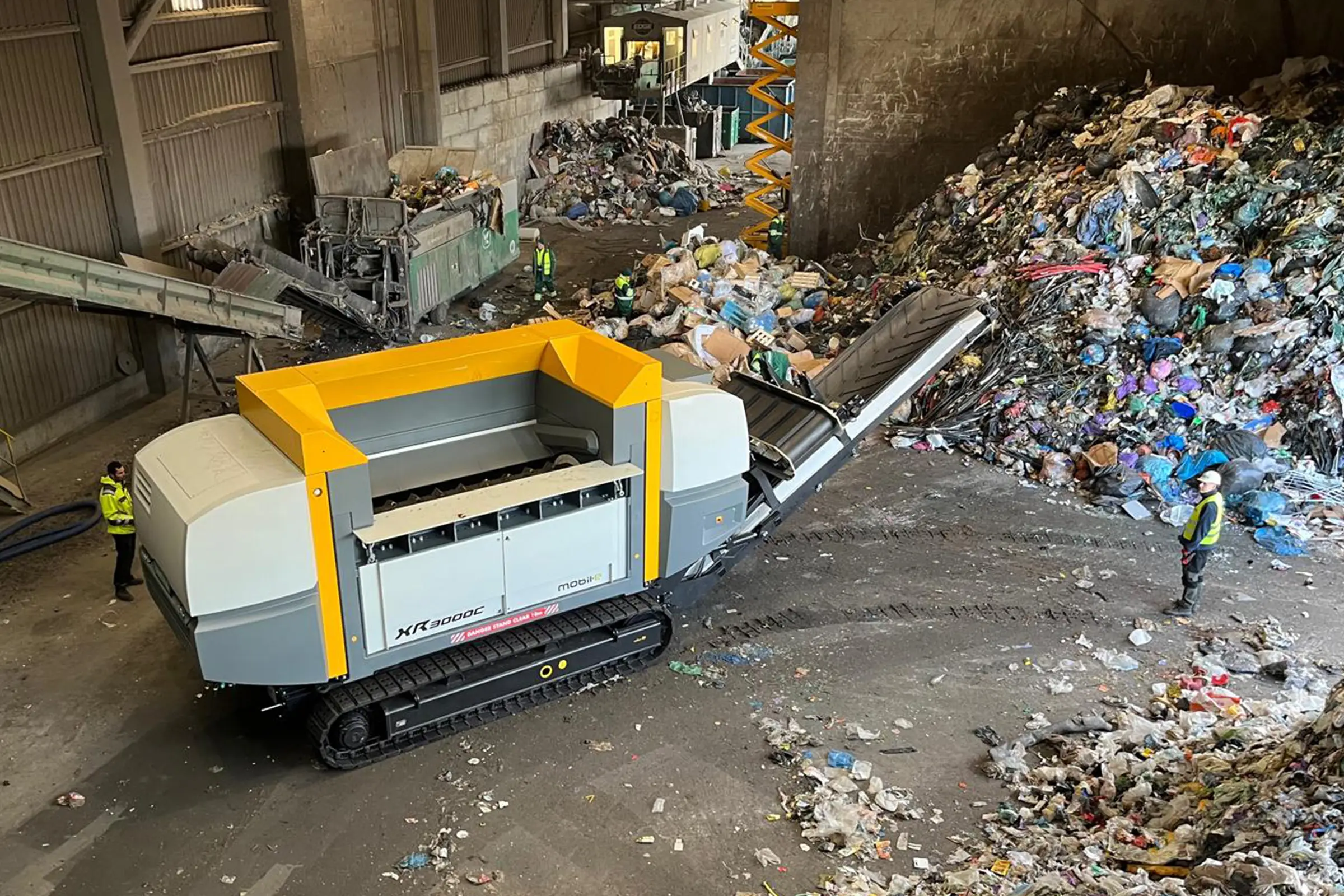
Shredders
Stationary shredders for all materials and capacities. Single-shaft, twin-shaft and four-shaft solutions.
Shredders for all materials
Steco supplies stationary shredders from three manufacturers — from compact mini shredders to large industrial solutions. We cover everything from timber and pallets to industrial waste, RDF production and secure document destruction.
For mobile equipment (mobile shredders, trommels and sorting equipment) — see Mobile recycling equipment, or contact us for advice.
What do you need?
Open an application area for more information and an overview of available models with images and brief descriptions.
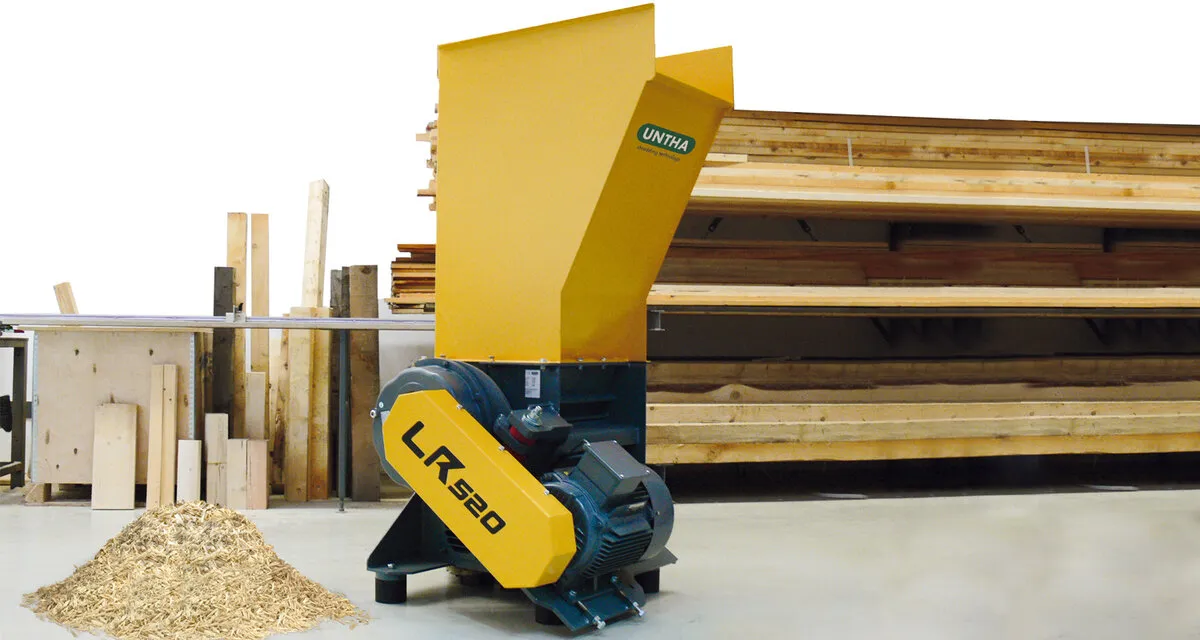
Timber and pallets
Shredding of demolition timber, pallets, garden waste and other wood. From coarse shredding to chip production.
Explore application area →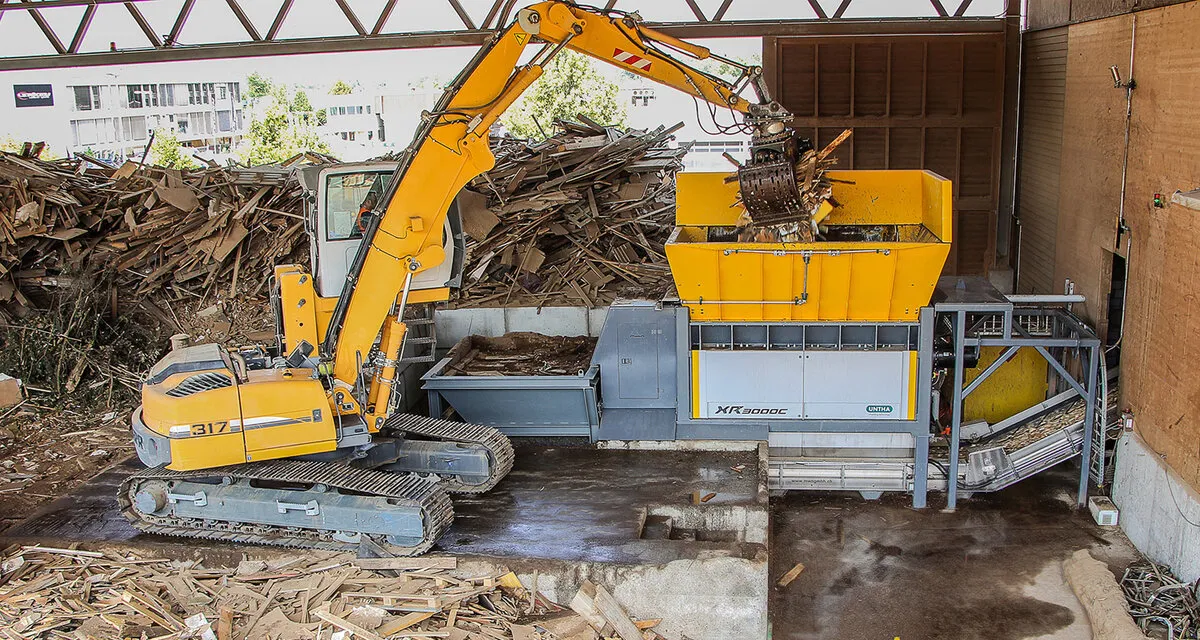
Industrial waste and RDF
Mixed waste, SRF/RDF production. Robust shredding of demanding materials for energy recovery.
Explore application area →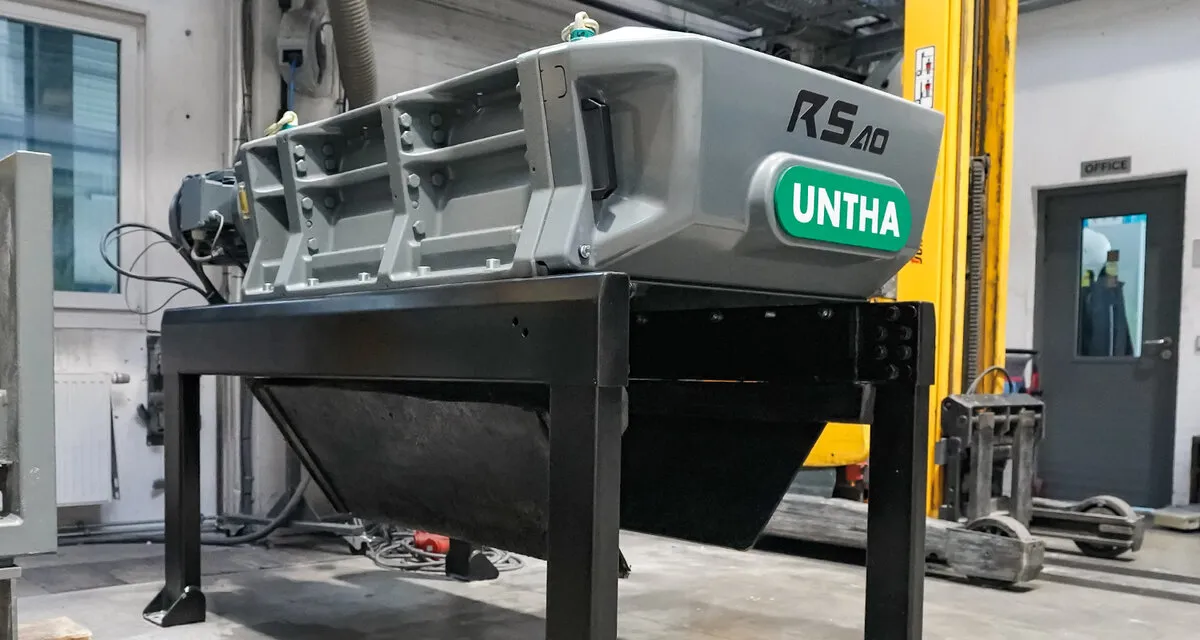
Shredding and destruction
Secure destruction of documents, hard drives, prototypes and confidential material.
Explore application area →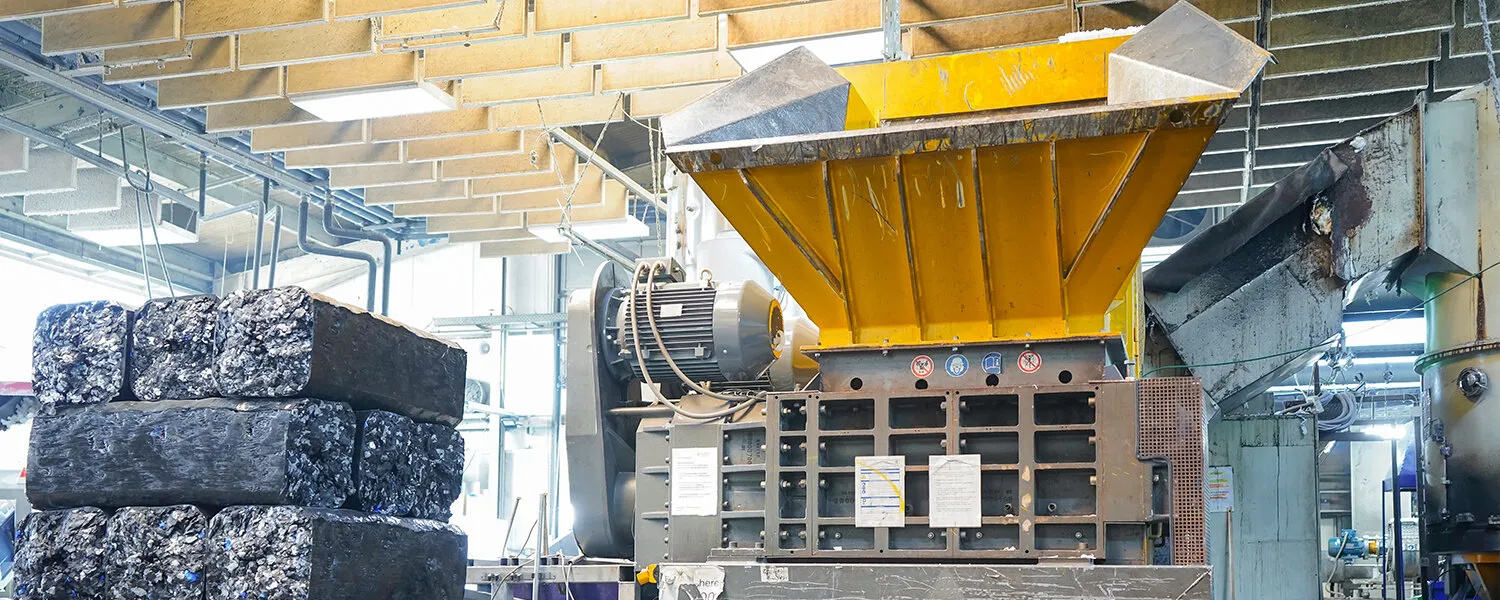
Plastics and regranulation
Shredding of plastic film, PET bottles, plastic drums and production waste for regranulation and internal recycling.
Explore application area →Our suppliers
Harden
ChinaChinese manufacturer (also known as Siruide) of stationary and mobile shredders. Broad range from single-shaft to four-shaft solutions, with specialist expertise in hazardous waste and complete process lines.
Models: Harden TD Series, Harden TDH Series, Harden QS Series and more
See products from Harden →Steco
NorwayOwn compact mini shredder for smaller volumes and special requirements. Developed in Norway for Norwegian conditions.
Models: Steco Mini Shredder
See products from Steco →Everything you need to know about shredders
How to choose the right shredder for your operation. Single-shaft, dual-shaft and four-shaft shredders explained.
From our deliveries
See examples of solutions we have delivered.
Steco SM-B300 Shredder for Industrial Facility
View project →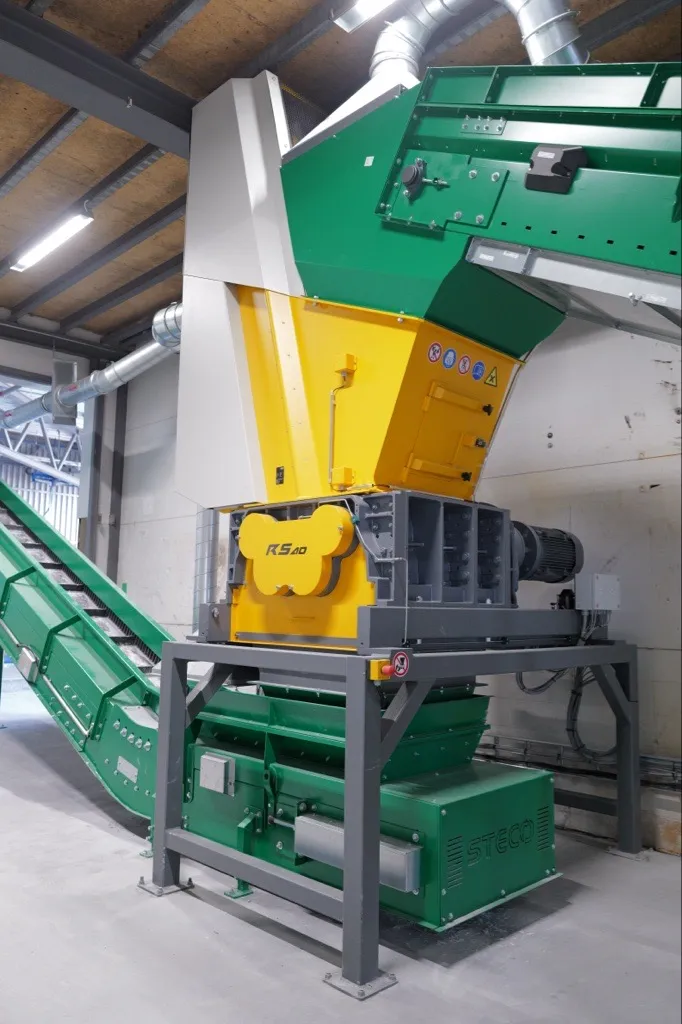 Shredder
Untha RS40 Shredder for Industrial Facility
View project →Untha RS40 Industrial Shredder for Recycling Facility
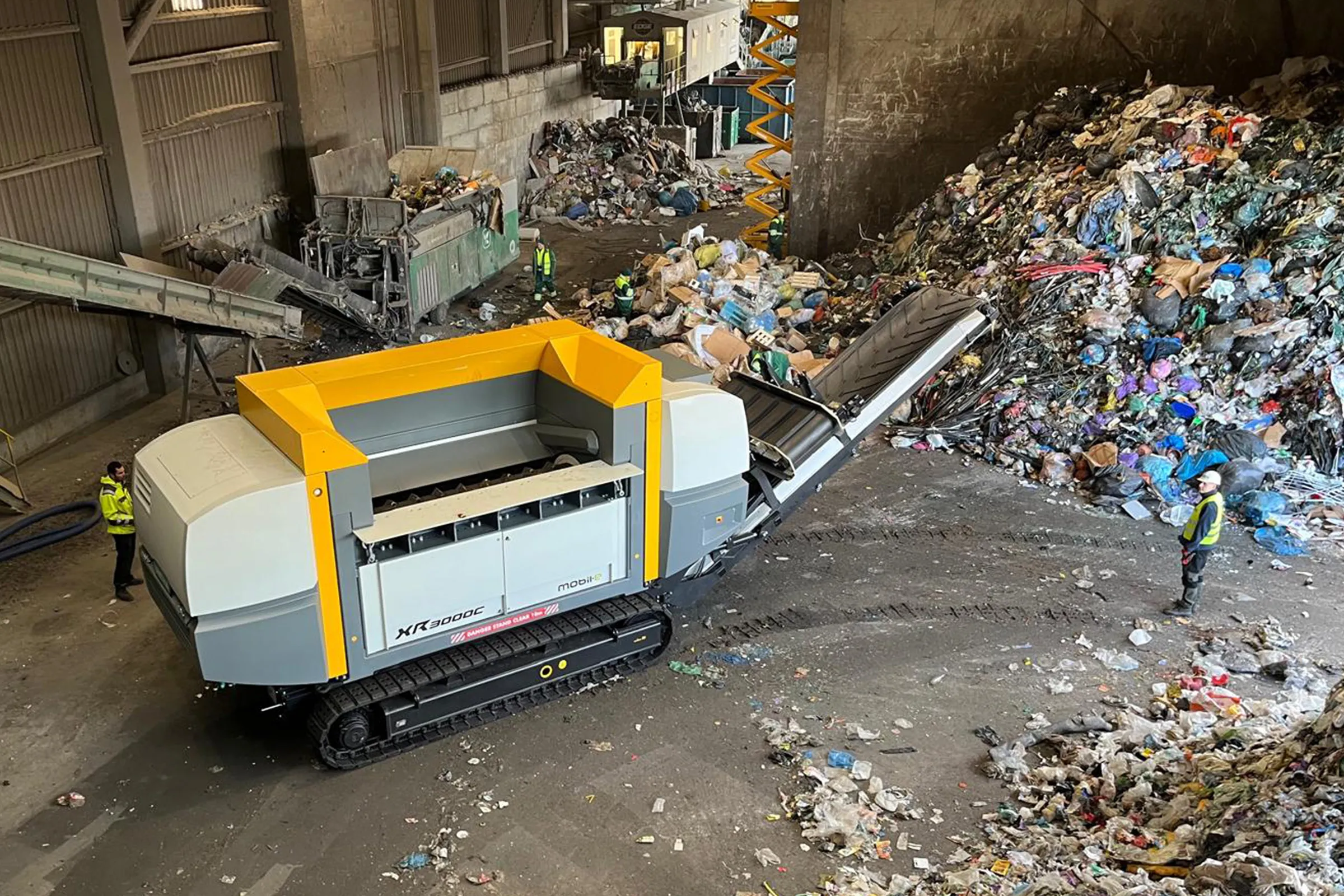
View project →Untha XR2000C shredder and facility integration for new waste station
View project →Frequently asked questions
Mobile or stationary shredder — what is the best fit?
A stationary shredder is suitable when you have sufficient volume at one location. A stationary shredder is generally more affordable and easier to operate. For mobile equipment — shredders, screens, etc. — see the product category 'Mobile Recycling Equipment' on our website, or contact us for advice.
Electric or diesel?
Electric drive can save hundreds of thousands of kroner per year in fuel and has lower maintenance requirements. However, you need sufficient power supply at the site. Direct drive provides the best energy efficiency.
What can be shredded?
Timber, garden waste, construction waste, pallets, furniture, plastic products, mattresses, paper/cardboard, and much more. Contact us to discuss your specific material.
How often do the blades need replacing?
It depends on the material being shredded and operating hours. Blades are typically changed every 500–2,000 operating hours. We offer maintenance contracts covering blade replacement.
Related articles
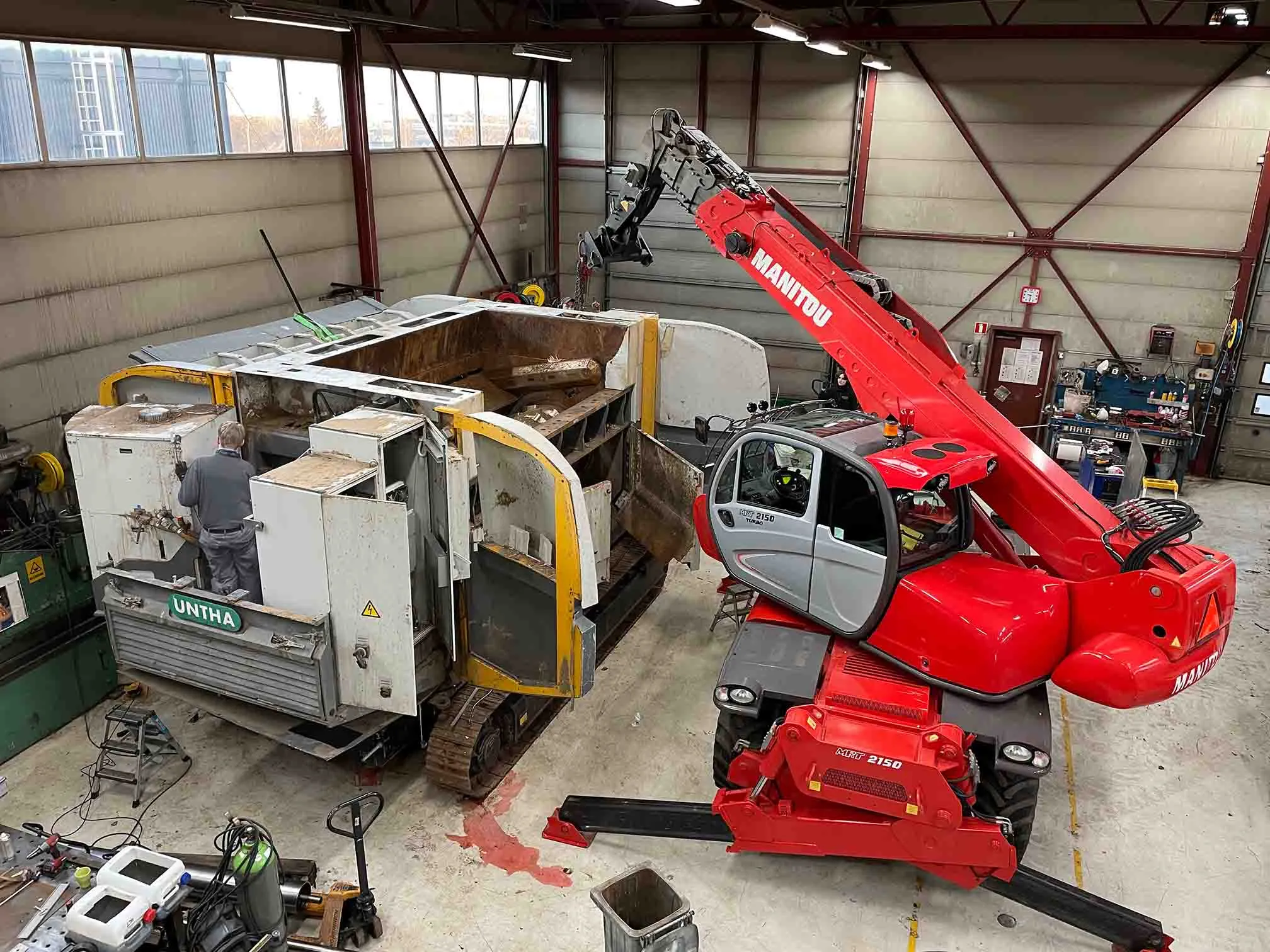
How to reduce downtime on mobile recycling machines
Preventive maintenance, correct spare parts, and clear operating routines deliver more uptime on equipment that is moved and exposed to dust.
Read more →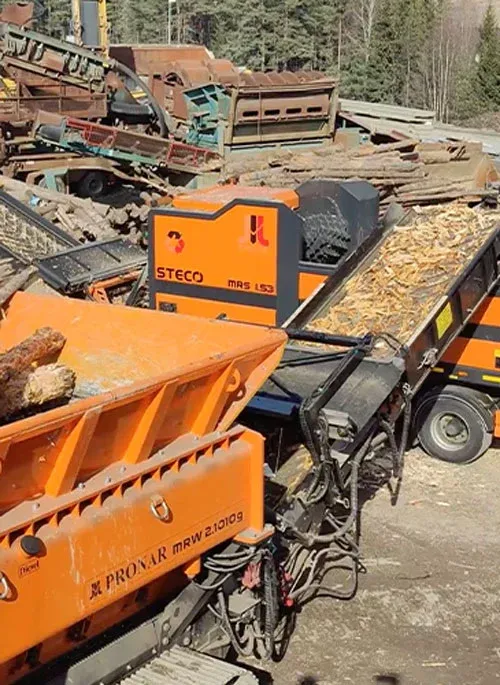
Mobile or stationary equipment: how to think total cost
Volume, setup time, and transport determine whether mobile recycling equipment or a fixed plant gives the lowest cost per tonne.
Read more →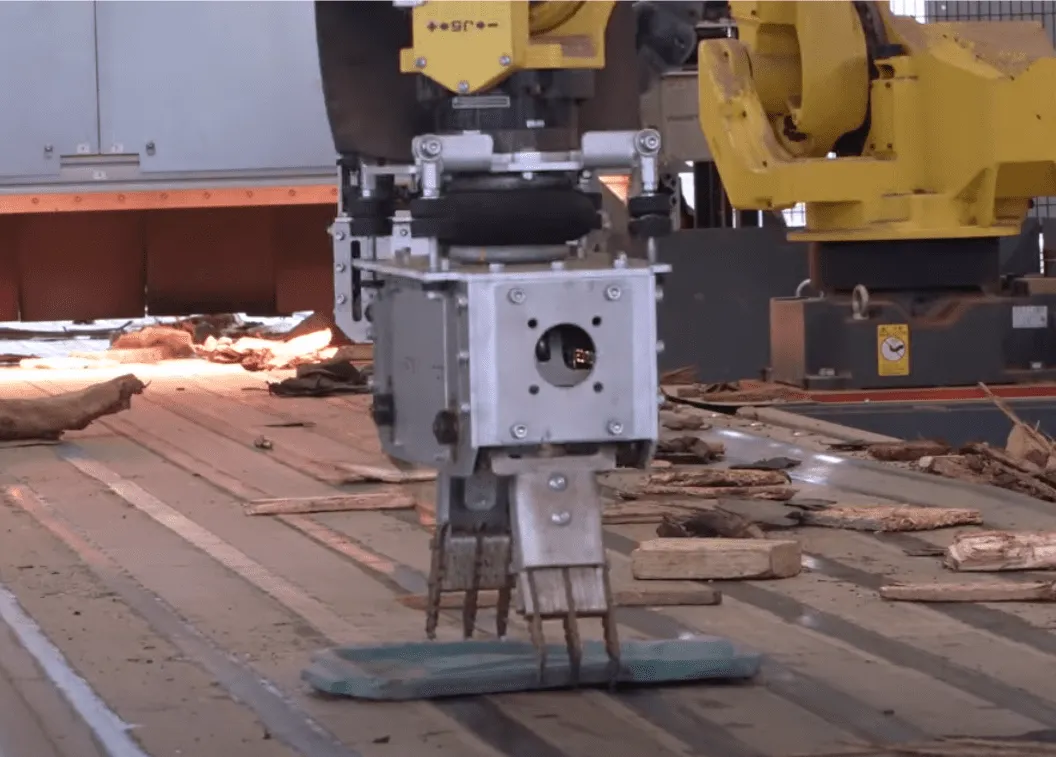
Manipulators for waste sorting – from robot arms to air jets
A review of different manipulator types that physically carry out sorting work in robotic waste sorting.
Read more →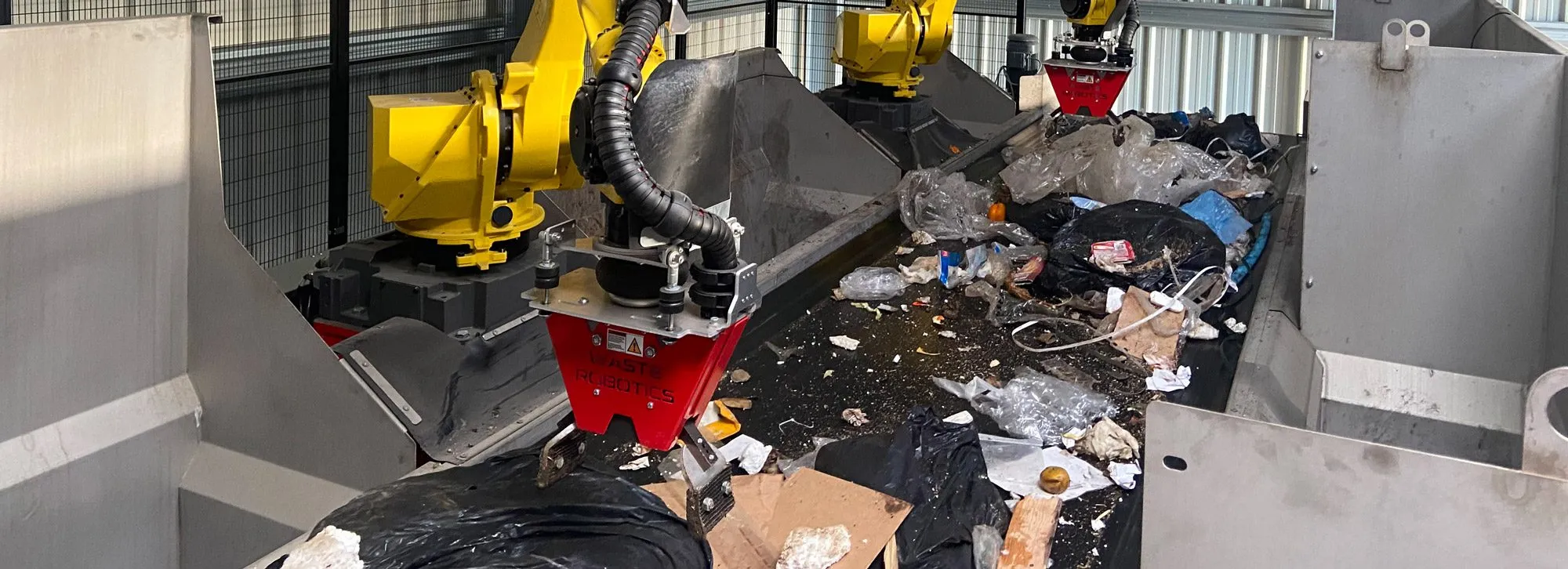
The interplay between detection and manipulation in waste robots
How waste robots depend on seamless coordination between detection systems and manipulators.
Read more →
Not sure what you need?
We help you find the right solution — no obligation.