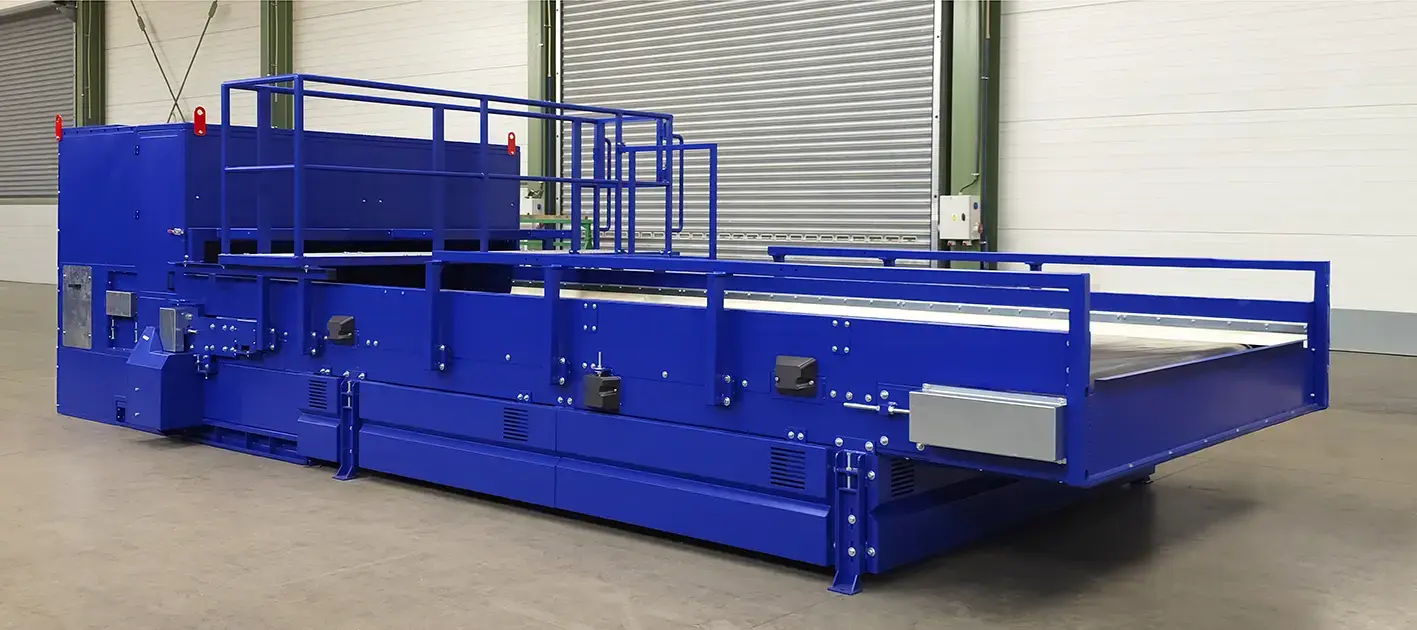
Conveyors for Waste and Recycling
Trough, flat, steel plate and chain conveyors in sorting plants — and how belt surface and inclination affect operation, maintenance and capacity. See the technical guide for details.
Material flow that handles reality
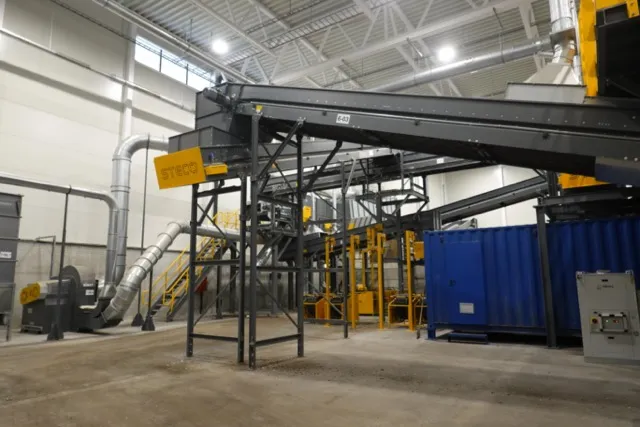
Conveyors are the backbone of sorting and recycling plants — from receiving to outloading. The choice of trough, flat, steel plate or chain conveyor, and of belt surface against inclination and feeding conditions, affects uptime, maintenance and capacity.
The full technical guide covers conveyor types, belt profiles, material selection tables and maintenance as part of a combined plant guide: Waste plants — everything you need to know. It also covers the connection to optical sorting, AI and separation when equipment is placed at or above a conveyor.
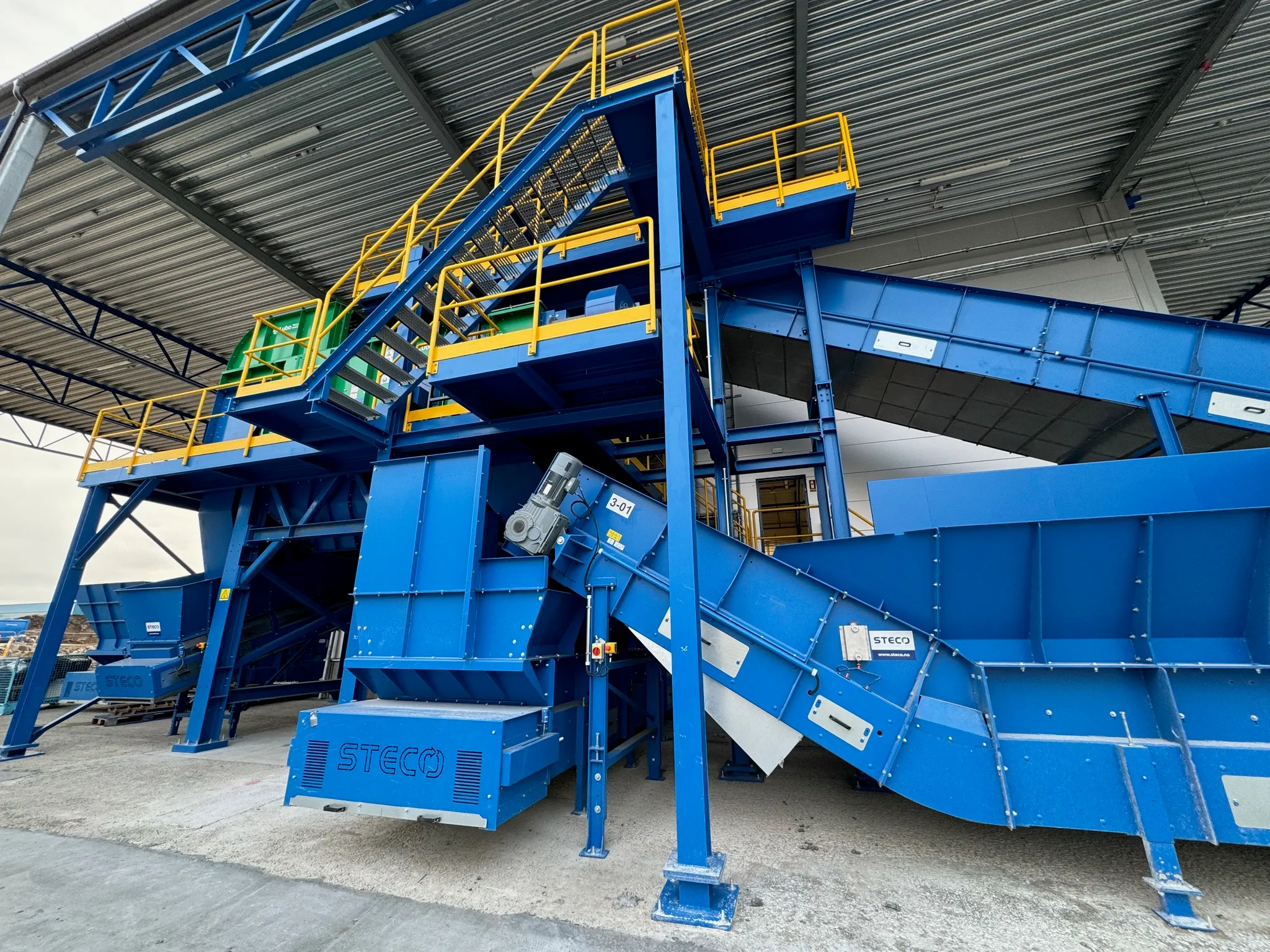
Brief overview of the main types
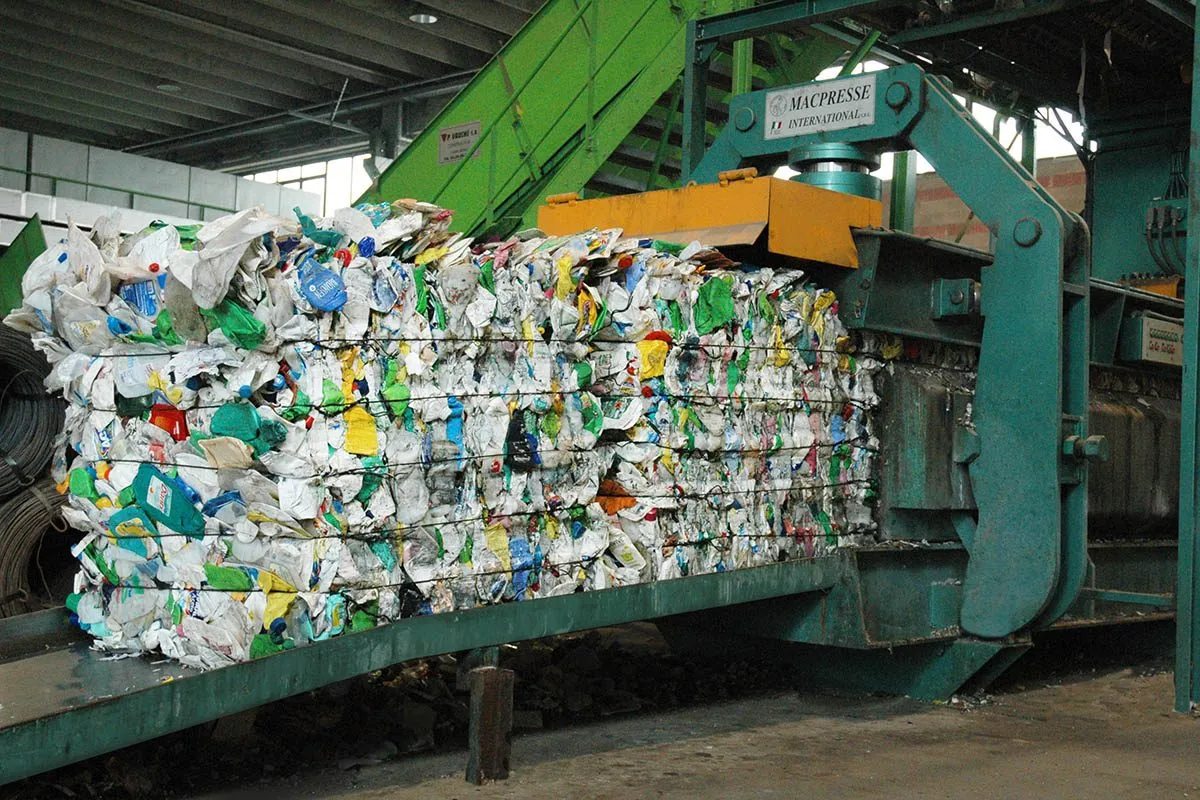
Trough conveyors — often the first choice for long runs with loose bulk and high volume flow. Flat belt conveyors — good working surface for manual and optical sorting and feeding to balers. Steel belt conveyors — where impacts, stone and metal exceed what rubber belts can handle. Chain conveyors — positive drive and Z-configurations where consistent feeding is critical.
Contact us for a project-specific selection together with Bluetech and Maqconveyors — or go directly to the full plant guide.
Frequently asked questions
Is there one conveyor that suits everything?
Rarely. Requirements change from receiving and primary shredding through fine sorting and outloading. The key is to match conveyor type and belt surface to the material, inclination, feeding conditions and maintenance capacity — not to standardise one solution across the entire plant.
When does a trough conveyor suit better than a flat belt?
Trough conveyors are often the natural choice for long runs with loose bulk and high volume flow, because the trough shape centres the load and increases carrying capacity. Flat belts are often better where you need a clear surface for manual or optical sorting, or gentle inclinations with simple scraping and cleaning.
What is the main difference between a steel belt and a chain conveyor?
Steel belt conveyors (steel plate conveyors) have a transport surface of overlapping steel plates and withstand extreme impacts and wear. Chain conveyors typically have a rubber belt on drive chains with positive drive via chain wheels — well suited where you need reliable power transmission, consistent feeding or Z-configurations without slip.
What about mobile conveyors?
For belt and tracked conveyors in mobile applications — see 'Mobile recycling equipment' (Terex Ecotec), or contact us to combine stationary and mobile solutions.
Related articles
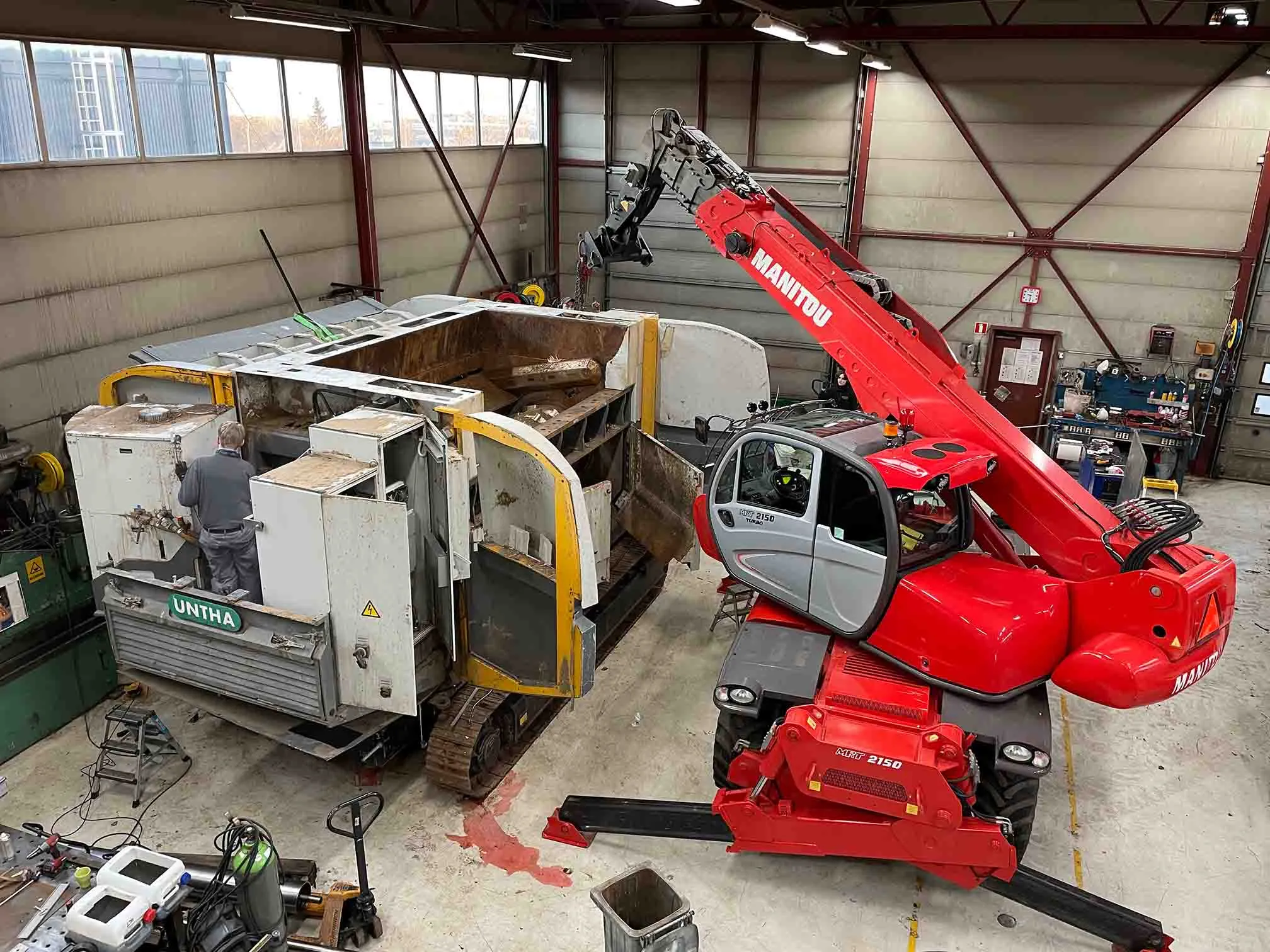
How to reduce downtime on mobile recycling machines
Preventive maintenance, correct spare parts, and clear operating routines deliver more uptime on equipment that is moved and exposed to dust.
Read more →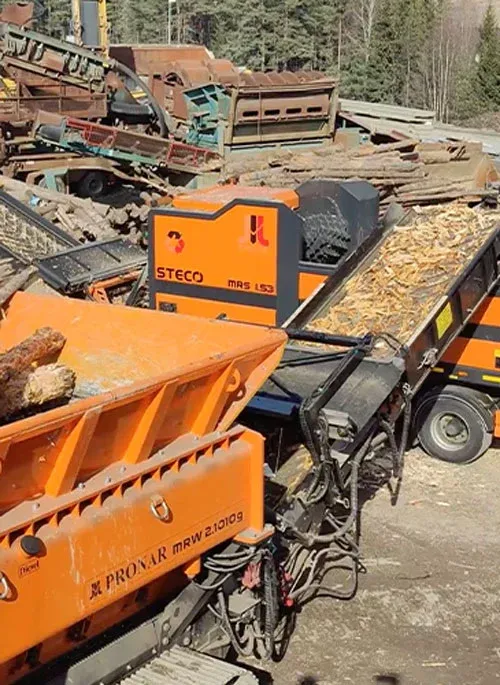
Mobile or stationary equipment: how to think total cost
Volume, setup time, and transport determine whether mobile recycling equipment or a fixed plant gives the lowest cost per tonne.
Read more →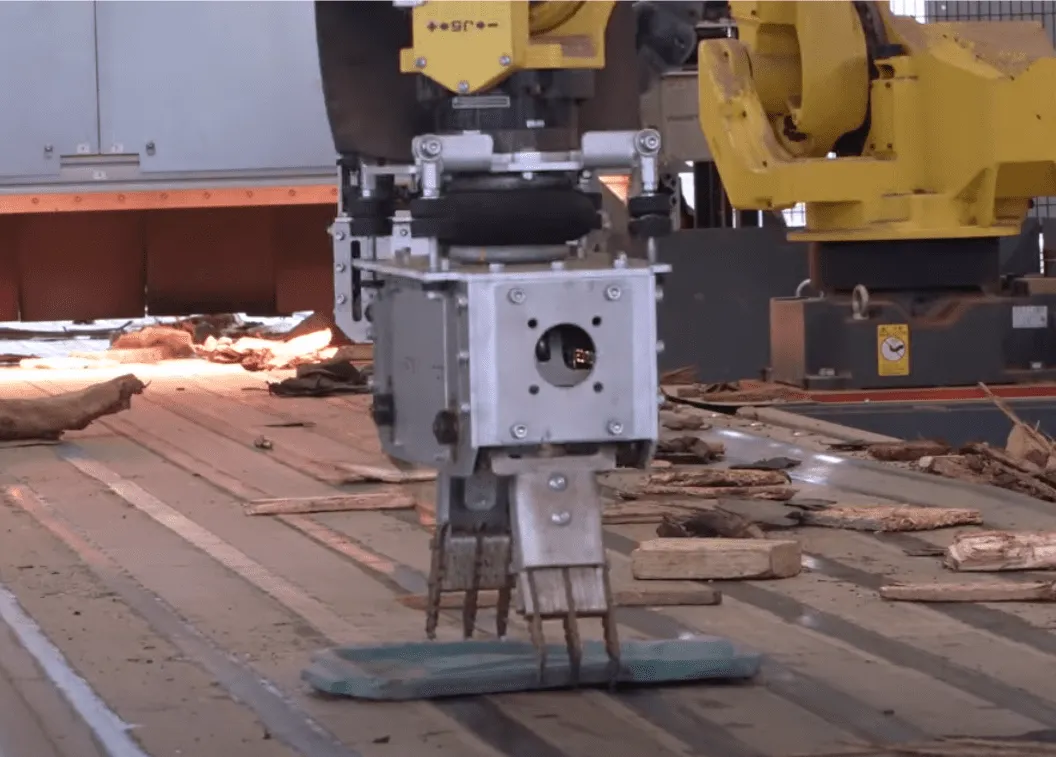
Manipulators for waste sorting – from robot arms to air jets
A review of different manipulator types that physically carry out sorting work in robotic waste sorting.
Read more →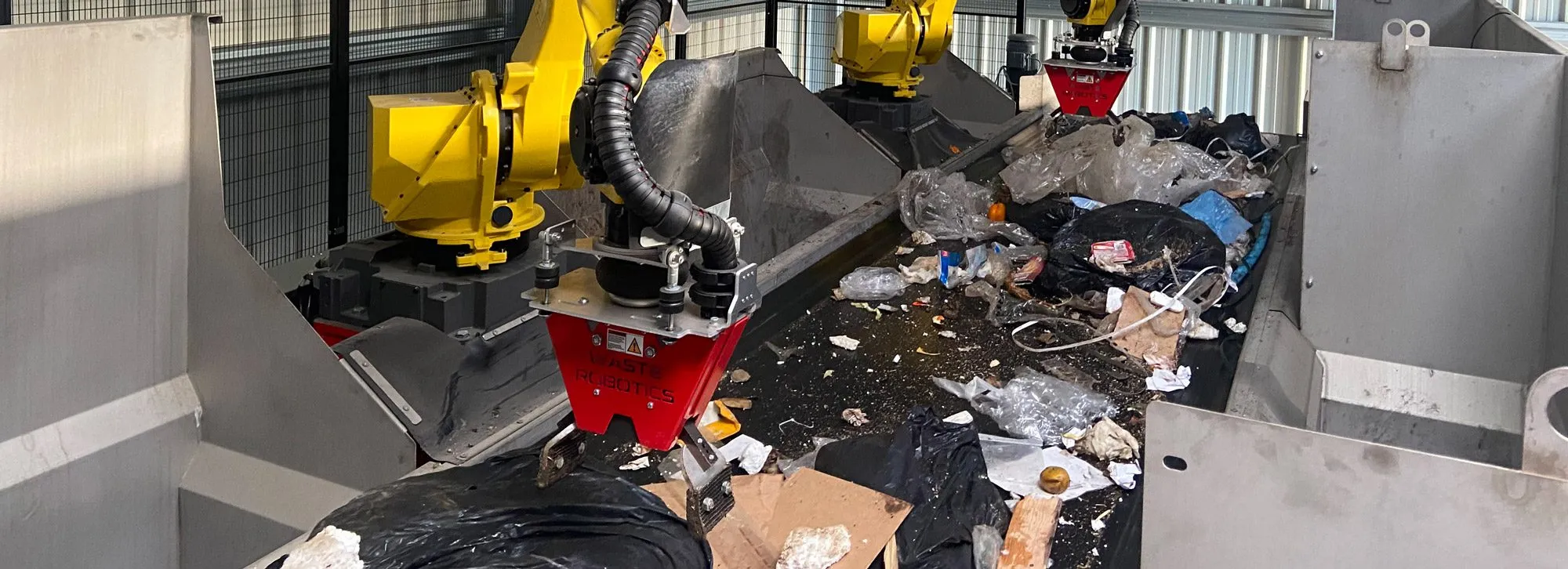
The interplay between detection and manipulation in waste robots
How waste robots depend on seamless coordination between detection systems and manipulators.
Read more →
Not sure what you need?
We help you find the right solution — no obligation.