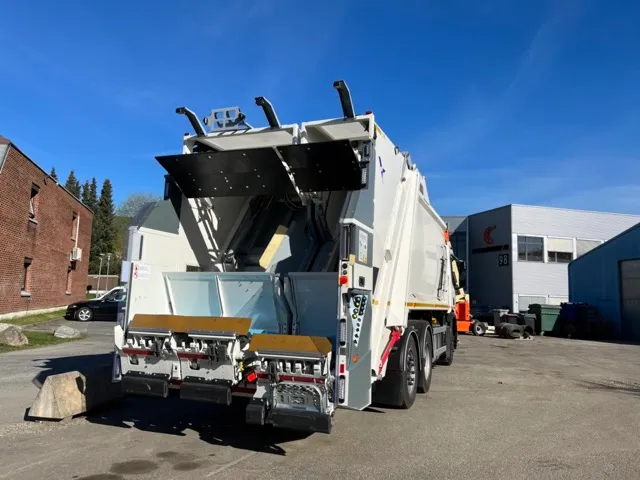
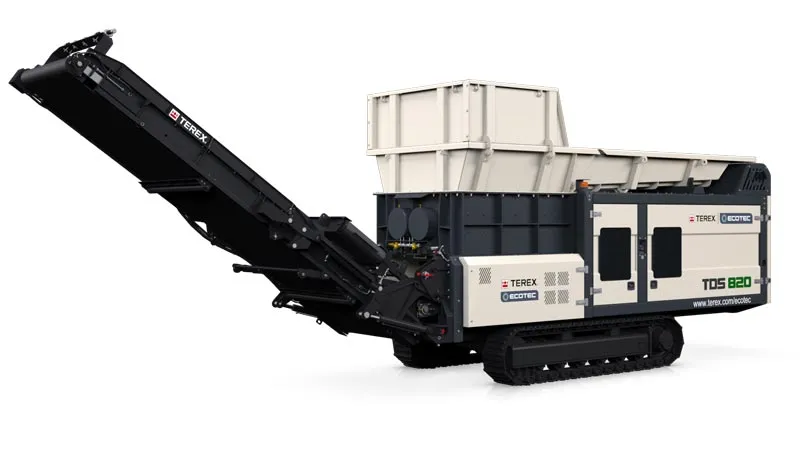
Mobile equipment that follows the material flow
When waste or raw materials need processing at multiple locations — or capacity must increase quickly without a new building — mobile machines offer lower setup time and better utilisation of the plant. You get shredding, screening and separation with equipment built for tough operations and easier maintenance.
Steco advises on the Terex Ecotec range and helps you select the right combination of machines, transport and service.
Shredding
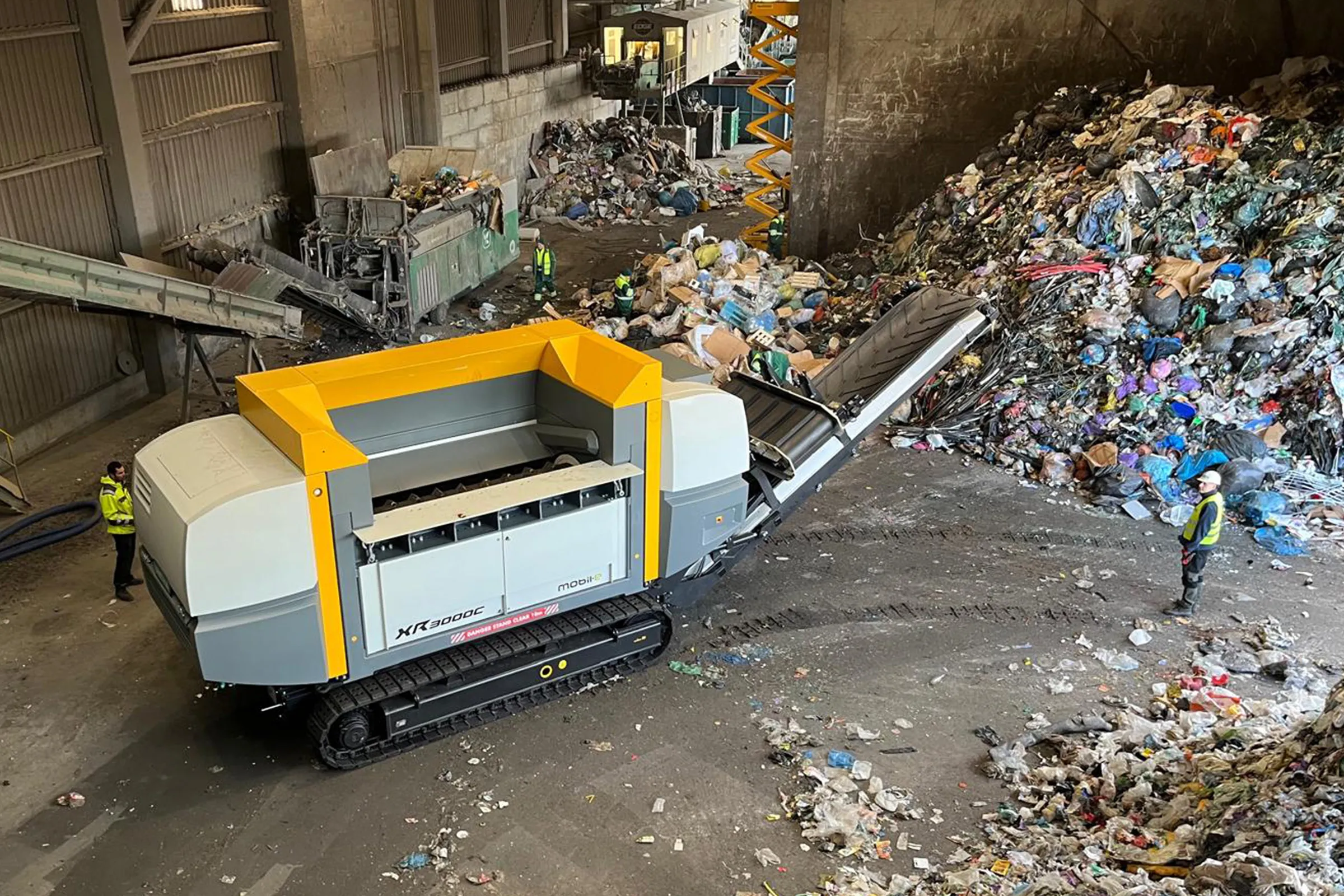
Slow-, medium- and high-speed solutions for different materials — from timber and biomass to mixed waste. The right speed and rotor affect both the quality of the output fraction and wear.
Screening
Trommel screens — the TTS series, Phoenix and recycling screens (TRS) — are used to divide the material stream into usable fractions. Phoenix is marketed primarily towards North America and Australia; in Europe, availability and road registration requirements vary. Contact us to clarify what suits your project.
Separation
Metal separator (TMS) extracts metal from the stream and can improve the quality of residual fractions and reduce downstream wear.
Transport and feeding
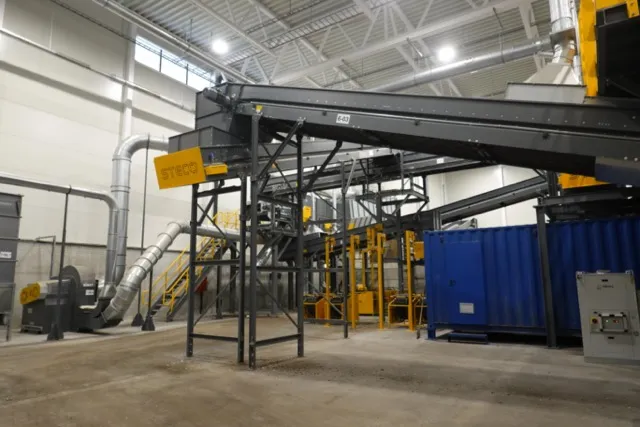
Belt/tracked conveyors (TFC) tie the process together with consistent feeding and less manual handling.
Stationary plants
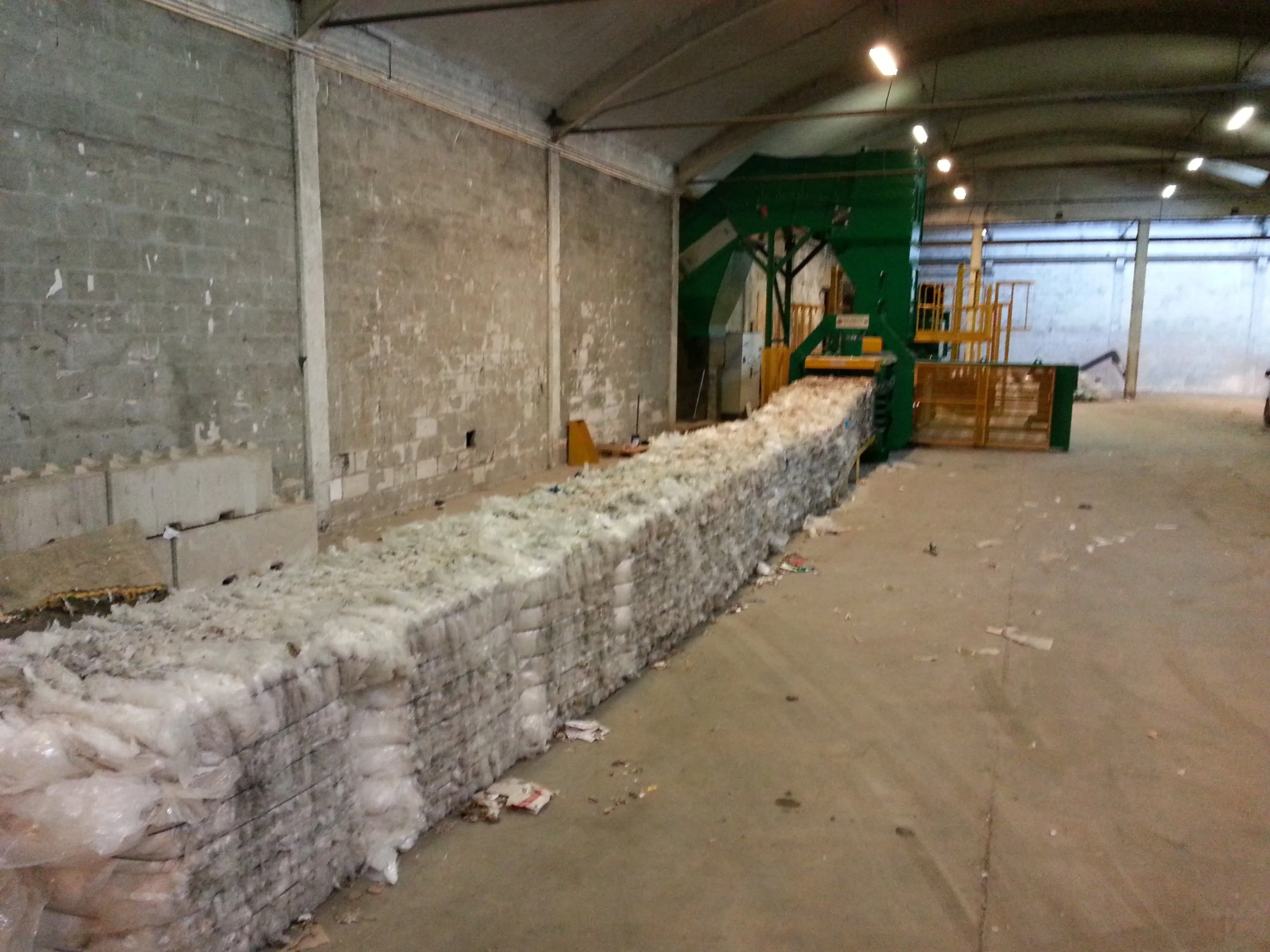
If you need a fixed installation and high capacity at one location, stationary shredders and sorting plants may be more appropriate. We always look at the full picture: volume, logistics, regulations and total cost of ownership.
What do you need?
Open an application area for more information and an overview of available models with images and brief descriptions.
Wood, biomass and bulky waste
Shredding and coarse sorting of timber, wood chip and similar fractions where mobility provides a clear advantage.
Explore application area →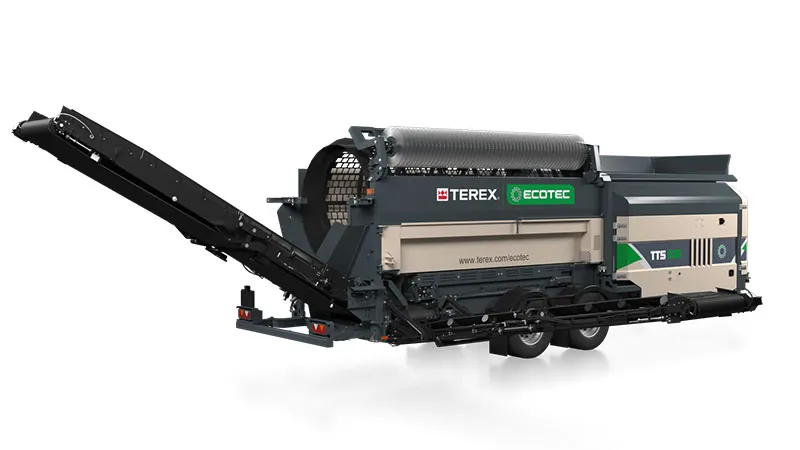
Recycling and product control
Screens and separation to extract saleable fractions and reduce contamination in the material stream.
Explore application area →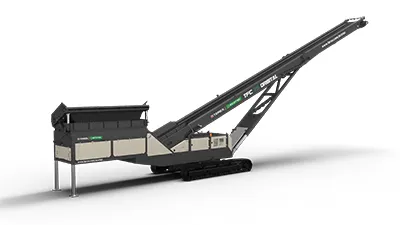
Plant and material flow
Belt and tracked conveyors that move and feed material efficiently on construction sites and receiving stations.
Explore application area →When does mobile recycling equipment pay off?
How to assess mobile versus stationary equipment based on volume, logistics and total cost of ownership – with Terex Ecotec as an example of a mobile portfolio.
Frequently asked questions
When does mobile equipment pay off compared to stationary?
When you have multiple operating sites, varying volumes, or want to trial processes before investing in a fixed plant. Stationary solutions often give a lower cost per tonne at high, stable volumes at one location. We help you compare total cost of ownership — including transport, setup and downtime.
Is Terex Ecotec available in Norway?
Yes. Contact us for advice on models, accessories and delivery. We connect you with the right setup and after-sales support.
What about electric versus diesel machines?
Both are available in the portfolio. The choice depends on power supply access, work patterns and local emission requirements. We review your operating profiles and recommend a solution that matches capacity and costs.
What about Phoenix and other series primarily sold outside Europe?
All Terex Ecotec models are listed here as a reference. For Phoenix and similar, different markets and approval regulations often apply than in Europe. We help you clarify what is realistic to deliver and register in your market.
Related articles
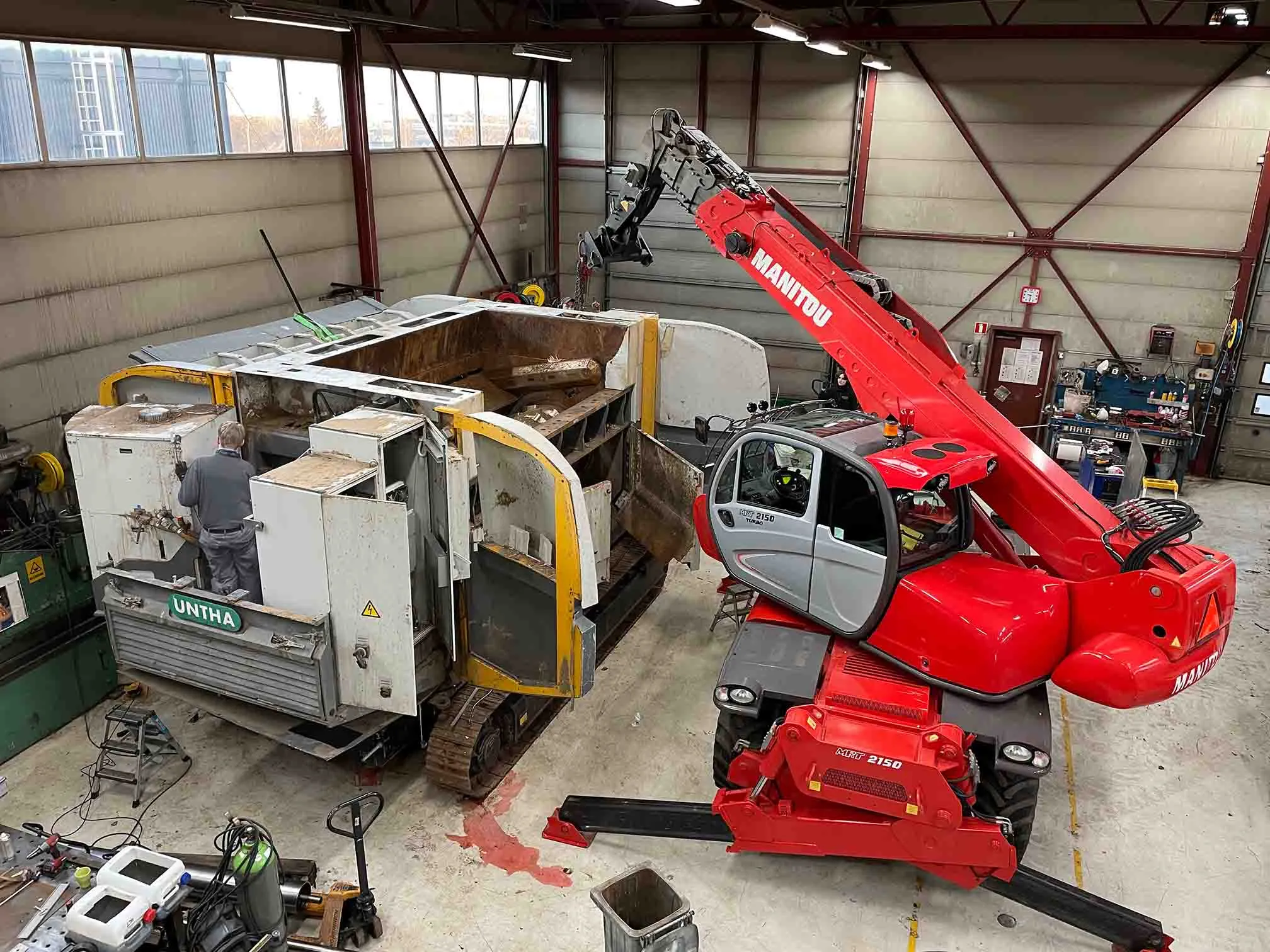
How to reduce downtime on mobile recycling machines
Preventive maintenance, correct spare parts, and clear operating routines deliver more uptime on equipment that is moved and exposed to dust.
Read more →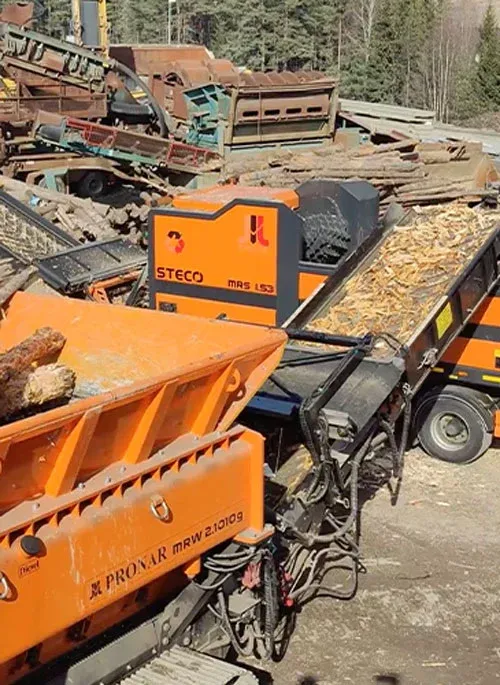
Mobile or stationary equipment: how to think total cost
Volume, setup time, and transport determine whether mobile recycling equipment or a fixed plant gives the lowest cost per tonne.
Read more →
Not sure what you need?
We help you find the right solution — no obligation.