Everything you need to know about balers
How to choose the right baler for your operation. Channel balers, two-ram balers and tying systems explained.
Contents
How to choose the right baler
To find the right baler we always ask new customers:
- What do you want to bale and how large is it?
- What capacity do you need?
- What does one cubic metre of loose material weigh?
- How will the baler be fed? Is it part of a processing line?
- What bale size do you need?
- What does your downstream process look like?
Capacity – a key factor
Capacity is often measured in tonnes per hour. Even though many customers know how many tonnes they need to handle per year, it is important to consider how many hours per week the baler will be in operation.
A small saving on labour quickly pays for a larger investment in a bigger baler that does the same job in fewer hours. Good planning of operating time and storage space is essential for finding the optimal solution.
How does a baler work?
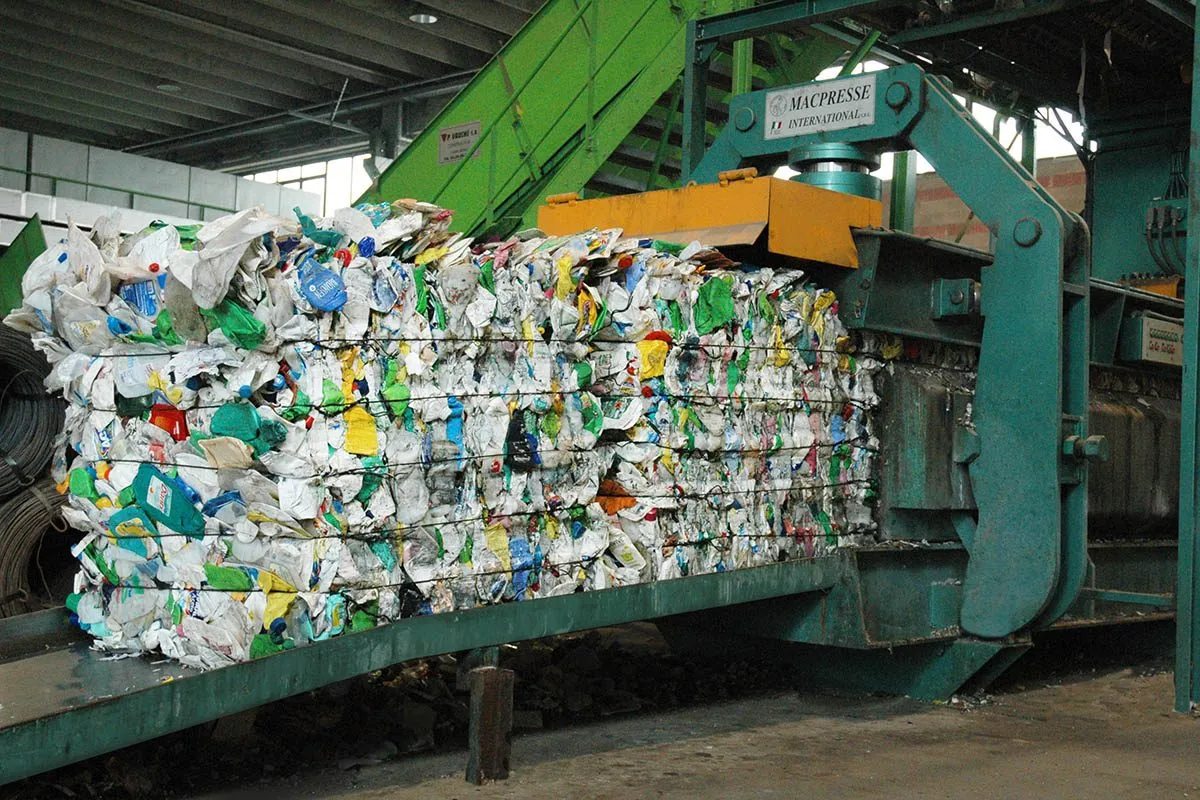
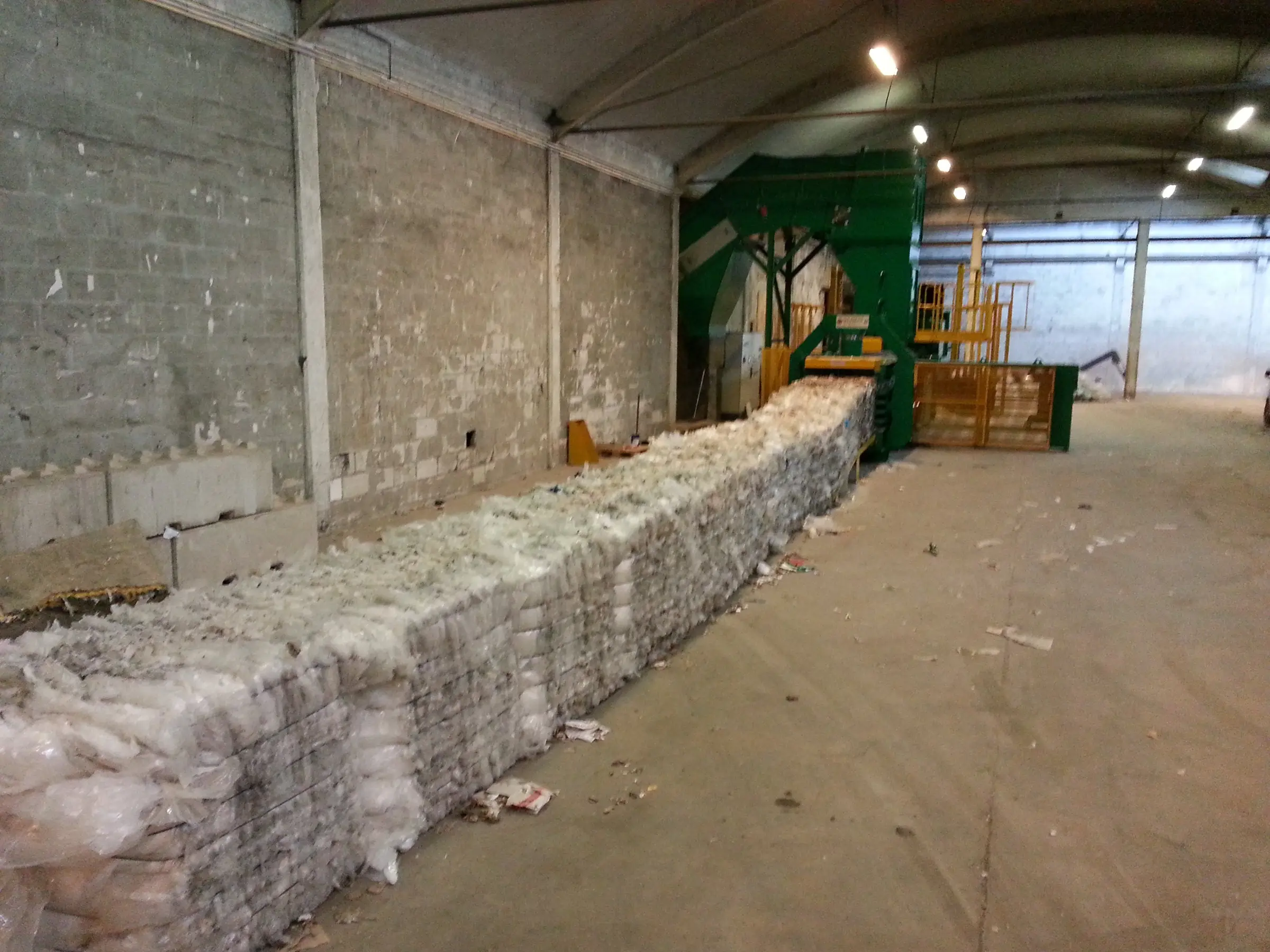
Balers use powerful hydraulic cylinders to compress materials inside a chamber. In channel balers the chamber is wedge-shaped with an open end, so the material is compressed harder and harder the further into the channel it travels. A cardboard baler can, for example, reduce volume by up to 90 %.
Channel balers vs. two-ram balers
Channel balers – the right choice for most users:
- Ideal for continuous operation and high volumes
- Require less manual handling during operation
- More flexible bale finishing when switching materials
Two-ram balers:
- Fixed bale size
- Optional number of wires per bale
- Ability to achieve more controlled compression of complex materials
Tying systems
Horizontal vs. vertical tying
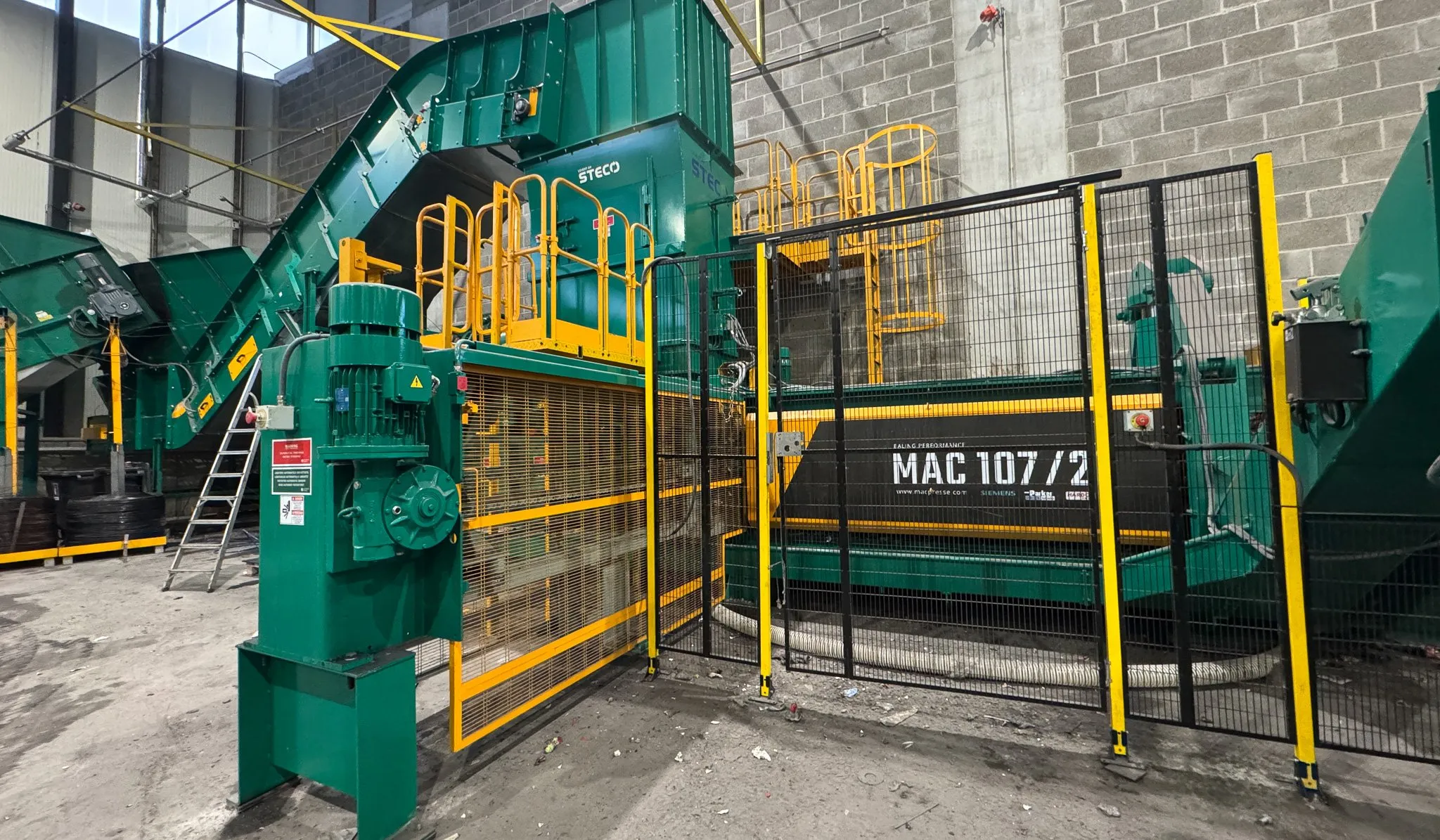
Horizontal tying (recommended):
- Easy maintenance access from the side
- Less spillage, no openings underneath the machine
- Easier to thread wires
- Can have a continuous knife at the top of the ram
Vertical tying:
- Requires less space beside the machine
- Openings underneath the machine that cause spillage
Do you need cross-tying?
Usually: No! With the right baler, a long enough channel and sufficient force, cross-tying is an unnecessary extra cost. Cross-tying can cost up to NOK 1,200 extra per hour.
Safety
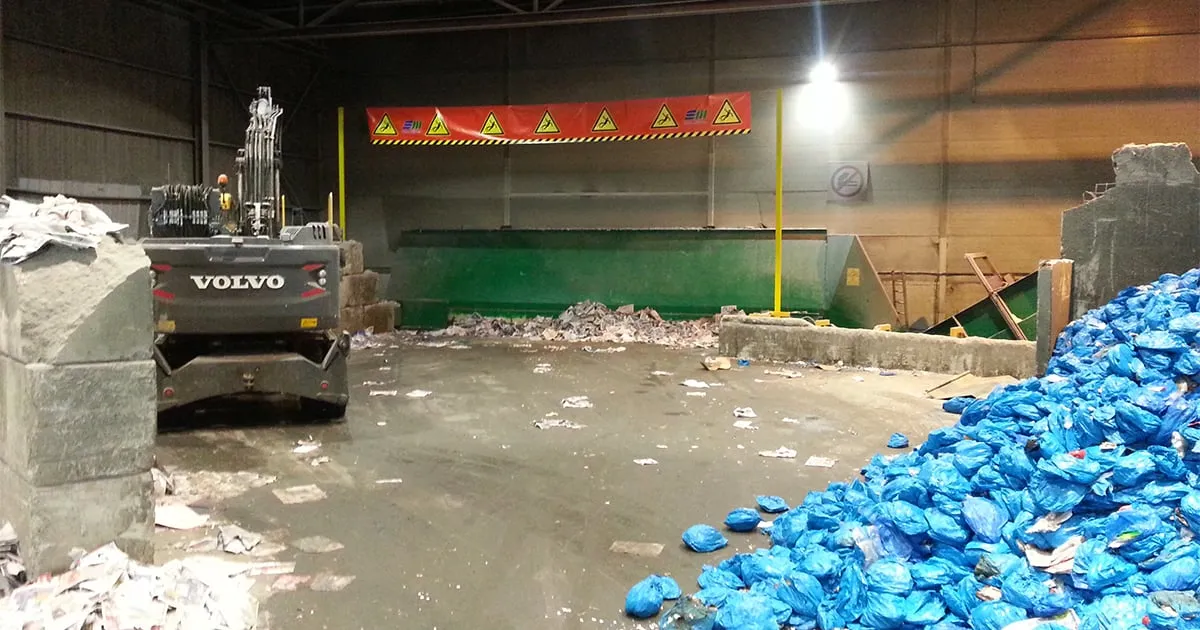
Waste balers are dangerous machines. Especially in connection with infeed via conveyor belts, special safety requirements apply in accordance with EN 16252:2012, including requirements for non-contact safety systems.
Common challenges
- Misaligned and dull knives reduce capacity and cause jams
- Tying wires that snap can often be traced to debris in the tying unit
- Loose and uneven bales? Check that the press chamber is filling properly and that the photo cells are not blocked
Environmental benefits
Waste balers help reduce waste volumes and transport emissions. They also enable storage of waste during summer for incineration in winter, when heating demand is higher.
Ready to choose?
Browse our range of baling presses and find what suits your needs.
Related articles
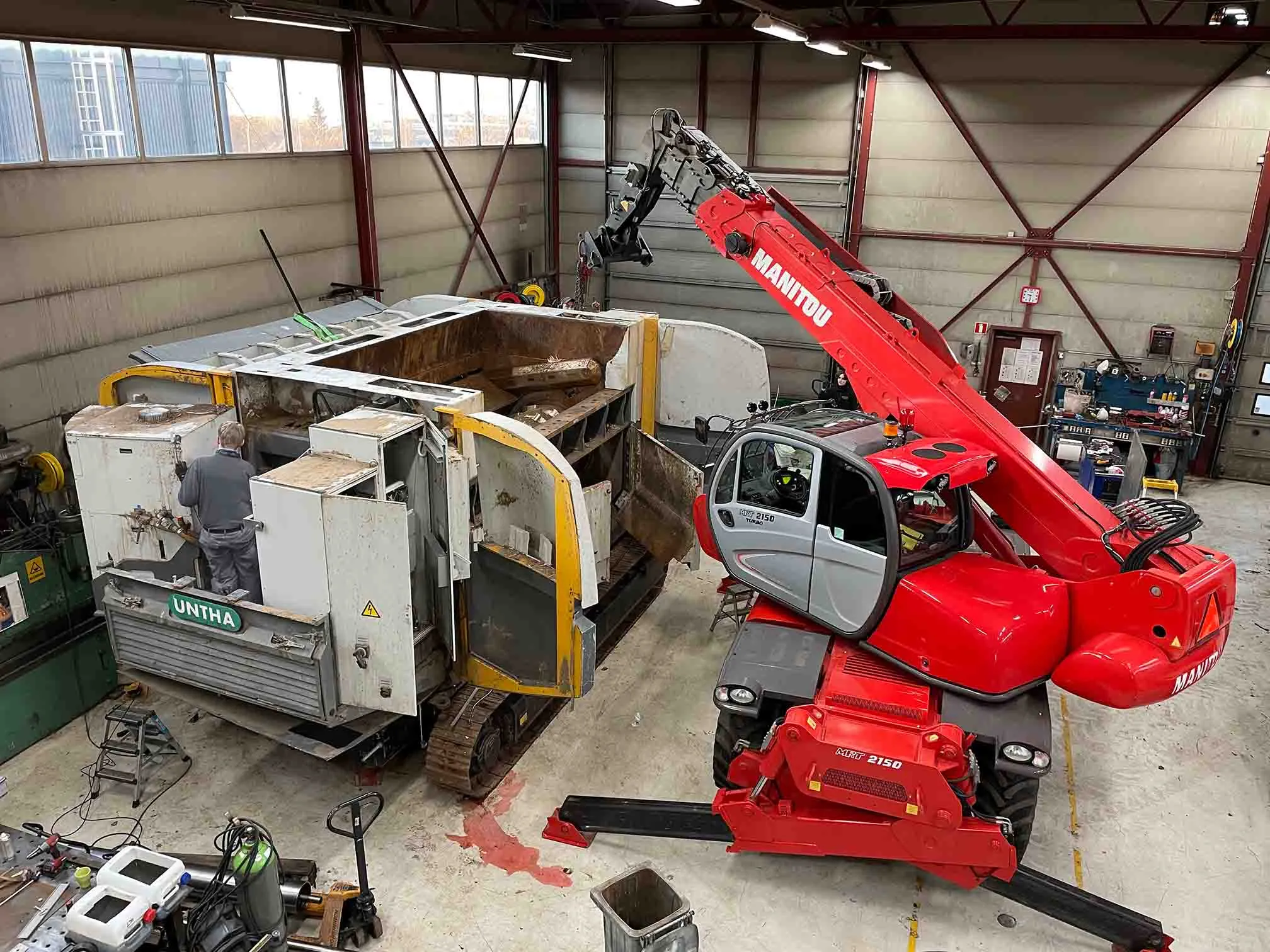
How to reduce downtime on mobile recycling machines
Preventive maintenance, correct spare parts, and clear operating routines deliver more uptime on equipment that is moved and exposed to dust.
Read more →
Mobile or stationary equipment: how to think total cost
Volume, setup time, and transport determine whether mobile recycling equipment or a fixed plant gives the lowest cost per tonne.
Read more →