3 reasons to choose horizontal tying on your baler
The tying system is more important than you think
When comparing channel balers, it is easy to focus on press force, capacity, and bale size. The tying system often gets less attention – but it shouldn’t. Here are three concrete reasons why horizontal tying is the smartest choice for most users.
1. Operators avoid working above and below the machine
On a press with vertical tying, staff must regularly go under – or climb on top of – the machine to thread wires, adjust needles, and troubleshoot the tying mechanism. Maintenance that requires lying on your back under the machine while debris falls down is far from ideal.
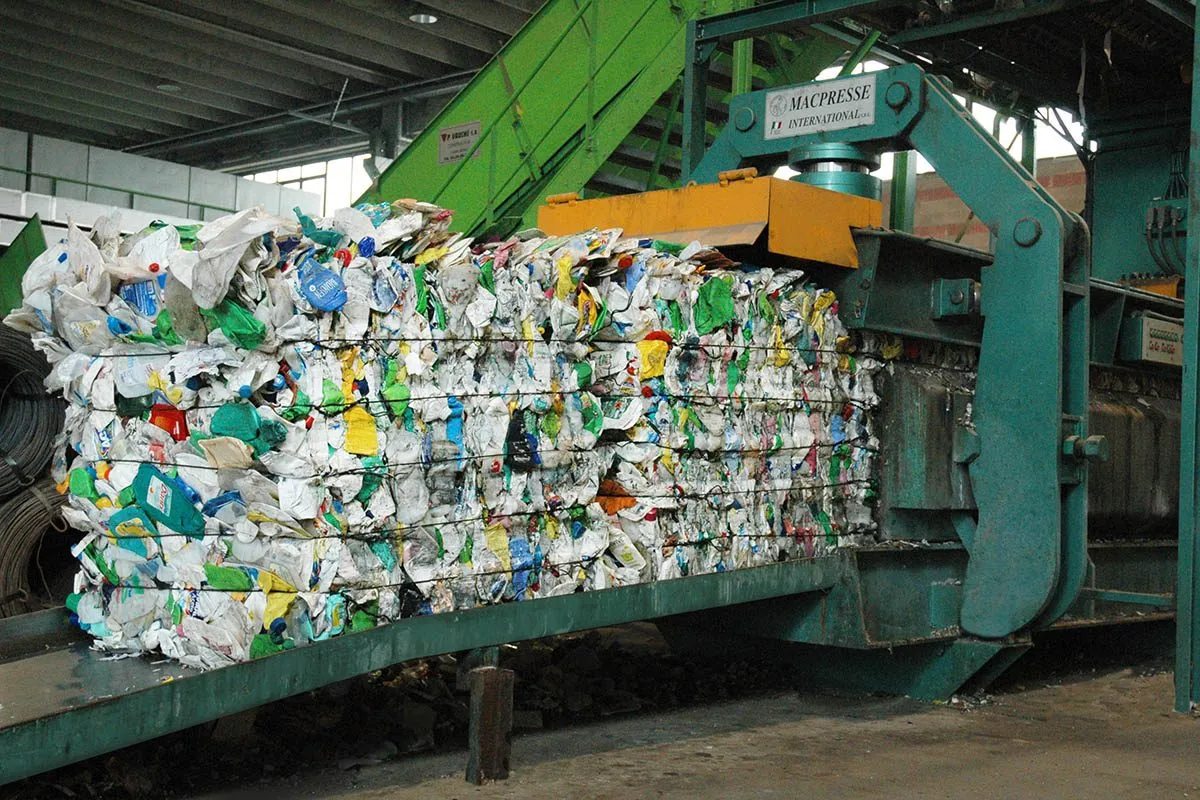
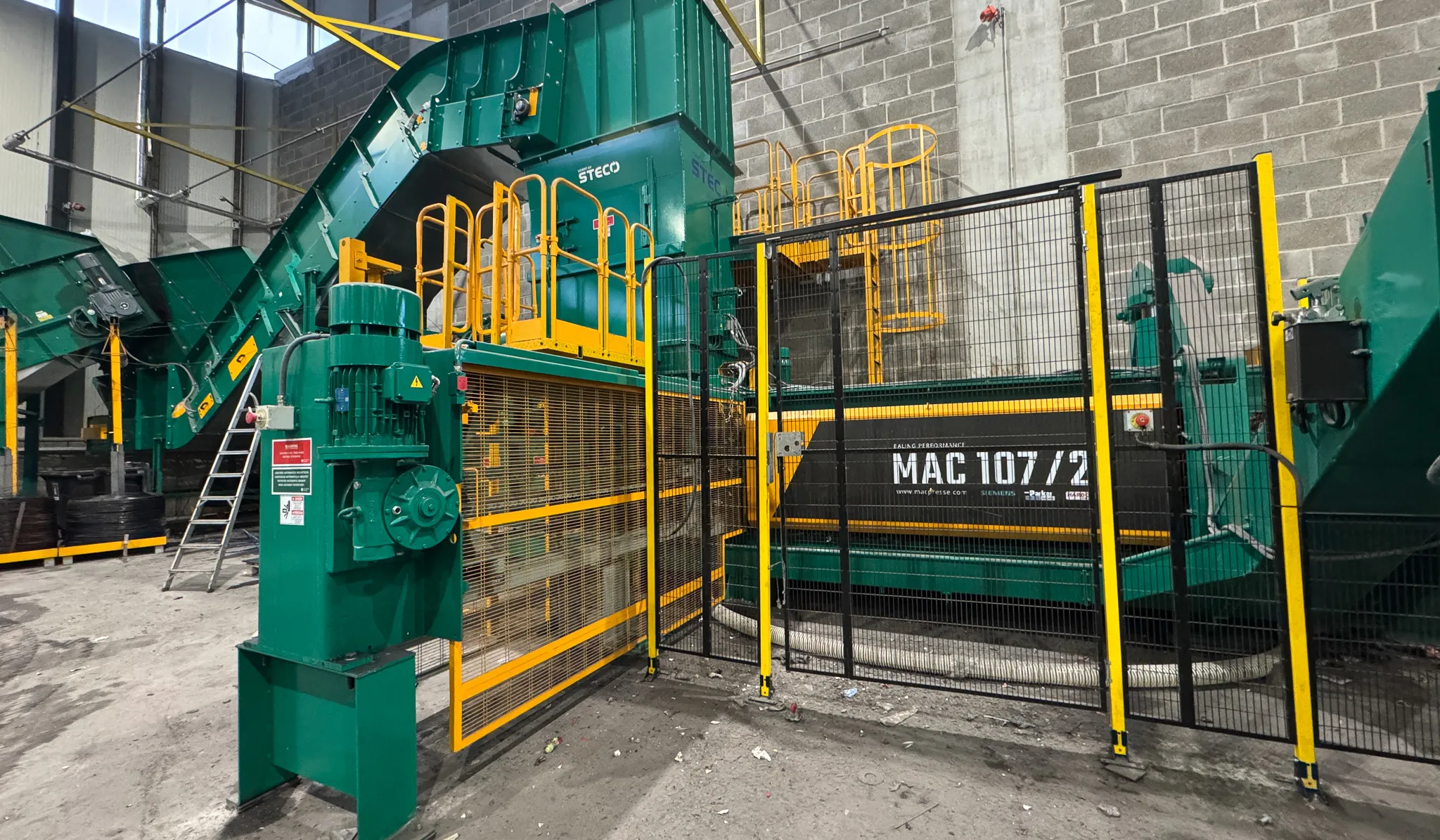
With horizontal tying, the entire tying mechanism sits accessible on the side of the machine. Threading is done from outside, adjustments are made while standing upright, and operators never need to go under the press. It is faster, simpler, and significantly safer.
Horizontal tying mechanisms are also more reliable, require fewer adjustments overall, and less cleaning since debris falls by gravity instead of collecting in the mechanism.
2. The plant stays clean – automatically
Vertical tying creates openings in the bottom of the press chamber where waste materials drip onto the floor or into floor pits below.
Macpresse presses with horizontal tying have no downward-facing openings – everything exits sideways. This makes it possible to install a collection conveyor that runs around the entire press, automatically collects spillage, and delivers it to a container. The result is a plant that stays clean without manual effort.
3. No holes in the floor
Vertical tying requires needles to move downward through the machine base, which requires either a hole in the floor or a raised platform – costly construction work with lasting consequences.
These pits also collect waste and attract pests. Horizontal tying eliminates this entirely, allowing the press to stand directly on a flat floor without modifications.